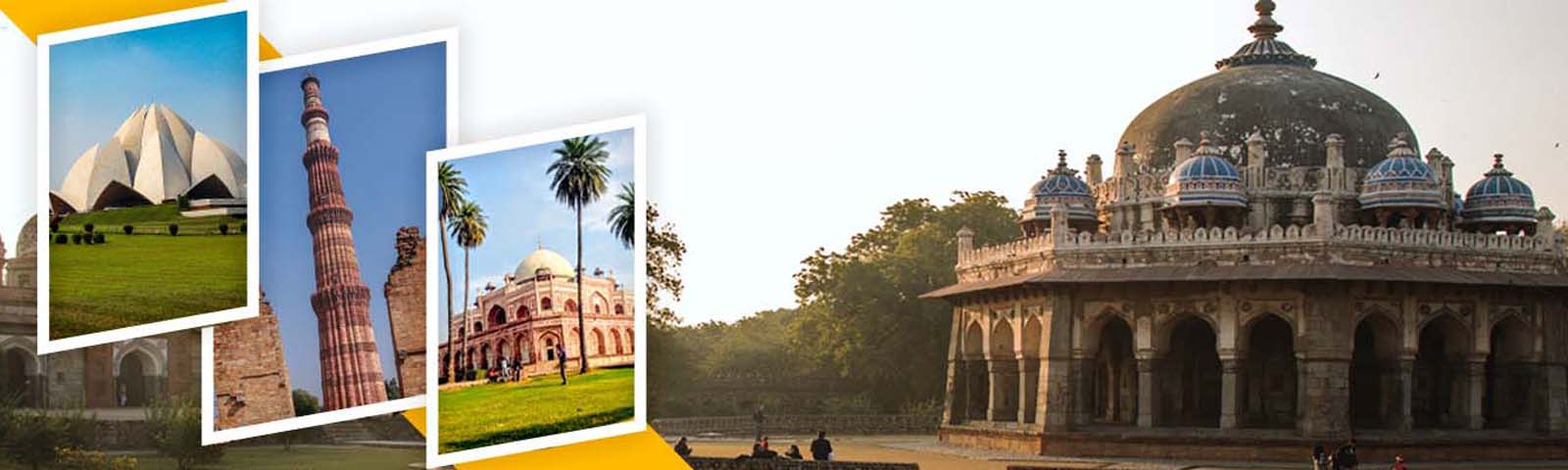
India Tour from Japan
Japan and India share a deep spiritual connection. Both countries have a rich history of spiritual traditions and philosophies. Japanese travelers are mostly attracted to India's spiritual sites, such as Varanasi and Bodh Gaya, where Buddhism originated. They seek opportunities to learn from Indian gurus, practice yoga and meditation, and experience the profound spiritual atmosphere of India. Tourists from Japan appreciate cultural diversity and have a genuine curiosity about different cultures. India's rich cultural heritage, including its music, dance, art, and traditional practices are captivating. They enjoy immersing themselves in Indian culture, attending cultural events, and experiencing the vibrant festivals and traditions that India has to offer. People having strong interest in exploring the origins of yoga can take participate in yoga retreats and wellness programs on India Tour from Japan. Find solace and rejuvenation in the serene settings of yoga ashrams and meditation centres.
Wellness tour package in India resonates with the Japanese mindsets. Seek Ayurvedic treatments, massages, and wellness therapies to experience the healing benefits of traditional Indian medicine. People appreciating for flavors and diverse taste buds, can go on a tour of culinary experiences known for variety of regional Indian cuisine, rich spices, and aromatic dishes. Indian historical landmarks like the Taj Mahal, Jaipur's palaces, and the ancient temples of South India fascinates visitors. On the tour admire the intricate craftsmanship, architectural grandeur and stories hidden behind iconic structures.
Receive warm hospitality by Indian people in villages and states with traditional welcome. Enjoy watching Indian films, music programs in theatres or multiplexes to gain deep insights of Indian culture.
Book India tour Packages from Japan
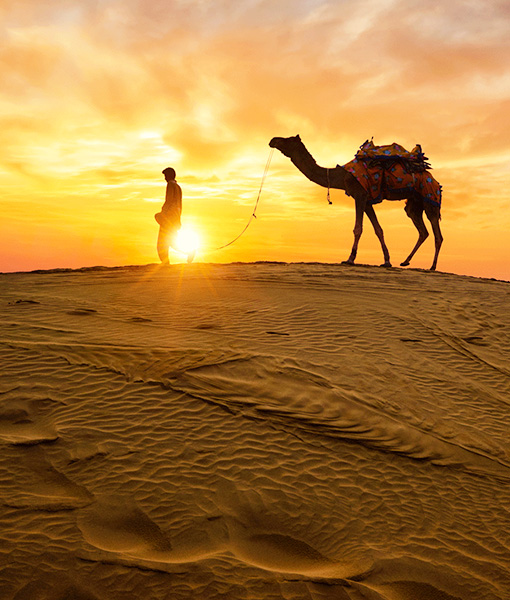
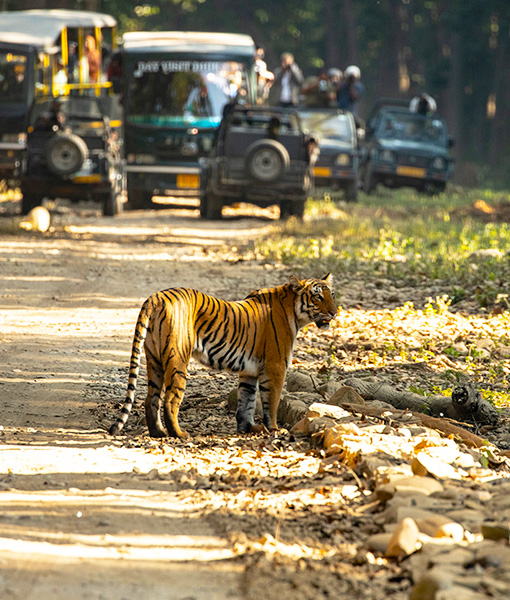
Adventure & trekking packages: People seeking for outdoor activities filled of adventure can consider various adventure tour in India including trekking in Himalayas, river rafting in Rishikesh, paragliding in Bir Billing or camel safaris in Rajasthan.
Heritage Tour in India: Visit iconic destinations as Taj Mahal, Jaipur’s palaces, Varanasi’s spiritual sites or the ancient temples of South India.
Spiritual and Pilgrimage Tourism: Embark on pilgrimages to destinations like Varanasi, Bodh Gaya, Amritsar, or the temples of South India to deepen their spiritual practices.
Photography Tour: Appreciate capturing moments through photography and immerse in local cultures. Attending cultural festivals, exploring rural villages, or engaging in community-based tourism initiatives are best way to experience the authentic lifestyle and traditions of India.
Historical and Architectural Wonders: People appreciating architectural wonders can explore UNESCO World Heritage Sites, ancient ruins, and architectural marvels like Hampi, Ajanta and Ellora Caves, or the stepwells of Gujarat.
Travel Notes for Guests Arriving from Japan
| Home currency | Japanese yen (JPY). Exchange into Indian rupees (INR) at the arrival airport or authorised counters; cards are fine in hotels, but rupee cash is needed at temples and small shops. |
|---|---|
| India e-Visa | Japanese citizens are eligible for India's tourist e-Visa via the official portal indianvisaonline.gov.in; a visa-on-arrival facility has also been offered to Japanese nationals at designated Indian airports - confirm current rules before departure. |
| Gateway airports | Tokyo Narita and Haneda, and Osaka Kansai, with nonstop Delhi flights of roughly nine to ten hours. |
| Arrival hubs in India | Delhi (DEL) and Mumbai (BOM); Gaya, the airport for Bodh Gaya, is reached onward via Delhi or Kolkata. |
| Time difference | IST (UTC+5:30) is just 3.5 hours behind Japan Standard Time, and neither country uses daylight saving. |
| Best months | October to March, which suits New Year departures; Golden Week falls in the hot season on the plains, when hill stations are pleasant, and the Obon weeks suit dry, high-altitude Ladakh. |
For Japanese visitors the Buddhist circuit is often the heart of an India journey: Bodh Gaya, where the Mahabodhi Temple marks the site of the Buddha's enlightenment; Sarnath, where he first taught; Kushinagar, where he attained parinirvana; and the ancient monastic university of Nalanda with nearby Rajgir. Bodh Gaya's international enclave includes Japanese temples and the Great Buddha statue consecrated in 1989, so the town feels welcoming and familiar. The stupas of Sanchi and the painted caves of Ajanta extend the pilgrimage westward. With only a 3.5-hour time change, jet lag is minimal - and Delhi's clean, efficient metro, built with Japanese cooperation, makes a reassuring first impression.
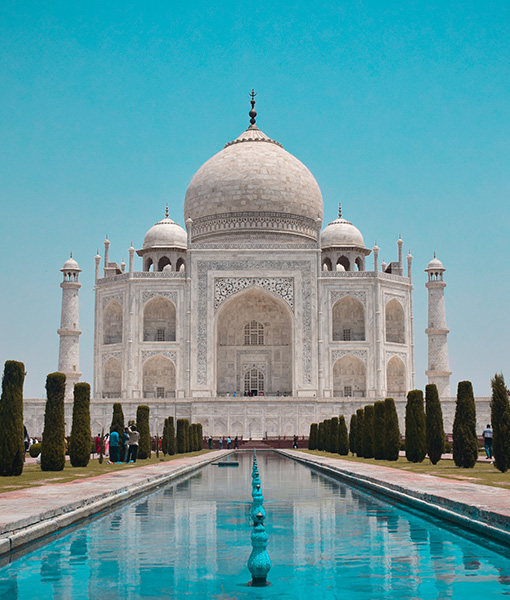
Beyond the pilgrimage sites, many guests from Japan append a compact Golden Triangle leg - Delhi, the Taj Mahal at Agra, and Jaipur - which fits neatly into three or four additional days. A few practical reassurances: tours here run on private cars with dedicated drivers rather than public transport, so timing stays predictable; the main tourist hotels meet international standards of cleanliness and service; and Indian vegetarian cooking, built on rice, lentils and seasonal vegetables, sits comfortably with Japanese palates - milder dishes can always be requested. Onsen culture has a cousin in Rishikesh's riverside ashrams, where yoga and meditation sessions overlook the young Ganges. Finally, carry cash in small notes for temple offerings and shoe-minders; queues are less orderly than in Japan, but patience and a smile work everywhere.
Useful Notes for the Journey
- Hotels photocopy passports for the mandatory foreign-guest register - keep documents accessible at check-in.
- Delhi Metro sells its own stored-value smart card and QR tickets, much like an IC card.
- North Indian food is eaten with the hands or cutlery; chopsticks rarely appear outside East Asian restaurants.
- Hotel Wi-Fi is standard, but a local SIM is more reliable on the road than rental routers.
India Travel FAQ for Visitors from Japan
How do Japanese travellers get an Indian visa?
You will need an e-Visa, and Japanese citizens can get one entirely online. Use only the official portal, indianvisaonline.gov.in; copycat sites charge more for the same form. Submit the application a week or two before travel and bring the printed approval to the airport.
What currency do I pay in, and can I pay from Japan?
Everything is priced in Indian rupees, and you can pay from Japan without a bank transfer: use our secure online Pay page with any Visa, Mastercard, Maestro or American Express card. If you would rather pay in cash, rupees on arrival are welcome.
What time can I call you from Japan?
Our Delhi office keeps 9 am to 9 pm Indian Standard Time, seven days a week; that is 12.30 pm to 12.30 am Japan Standard Time. Phone +91 8448228850 within those hours, or WhatsApp or email us at any time and you will have a reply the next Indian morning.
What is the best arrival airport for Japanese visitors?
Delhi (DEL). Indira Gandhi International Airport sits on the doorstep of the Golden Triangle, our Delhi office is about half an hour away by road, and airport pick-up is included in every package. ANA, Japan Airlines and Air India fly nonstop from Tokyo Haneda and Narita to Delhi in about 10 hours. From Osaka, Nagoya or Fukuoka you connect once in Tokyo, Bangkok, Singapore or Hong Kong.
When is the best time for Japanese travellers to visit India?
October to March is the best weather for the Golden Triangle, Rajasthan and Varanasi and fits the New Year holiday. Golden Week in late April and early May is hot on the plains, so we route Golden Week groups to the Himalayan foothills or plan early-morning sightseeing.
Travelling from another country?
Tour By States
Japanese travellers on nonstop Tokyo to Delhi flights often head first to the Buddhist circuit of Bodh Gaya, Sarnath and Kushinagar before the classic sights of Rajasthan.
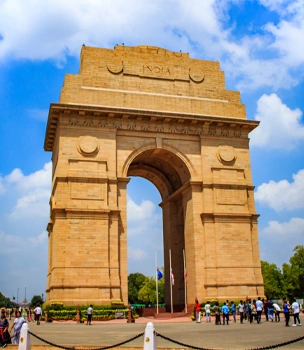
Delhi, the capital of India, is a vibrant metropolis that encapsulates the essence of the nation. With a rich historical legacy spanning several centuries, Delhi Tour offers magnificent landmarks like the Red Fort, Qutub Minar, and Humayun's Tomb.
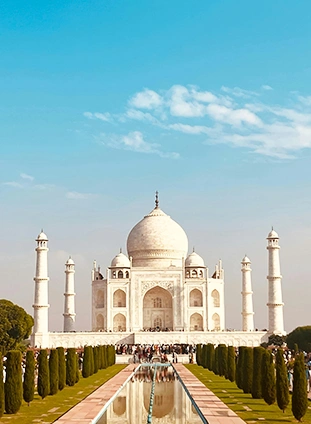
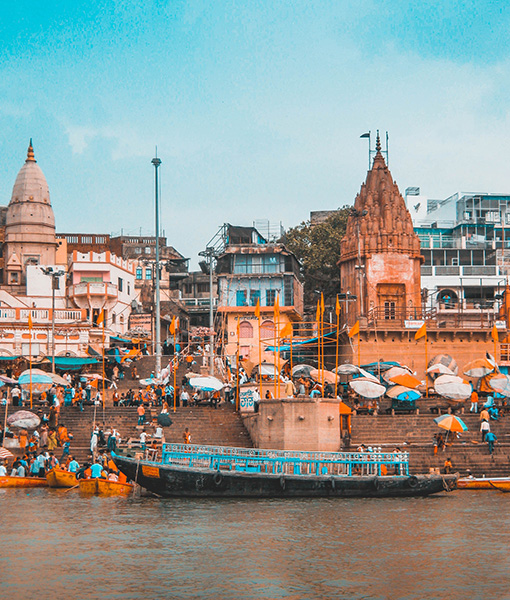
Uttar Pradesh Tour
Situated in the north region of India, Uttar Pradesh is an unmatchable land of rich history, culture and religion. Top destination of Uttar
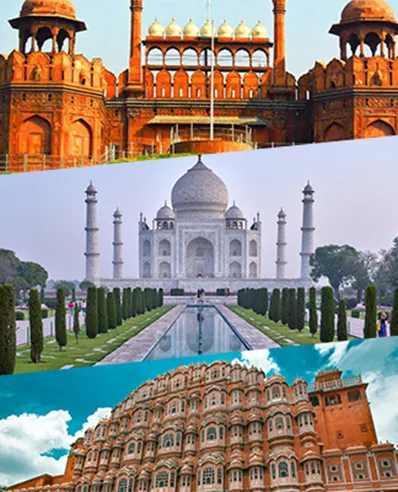
Golden Triangle Tour
The Golden Triangle tour in India is one of the most popular tourist circuits in the country, comprising a visit to three iconic destinations
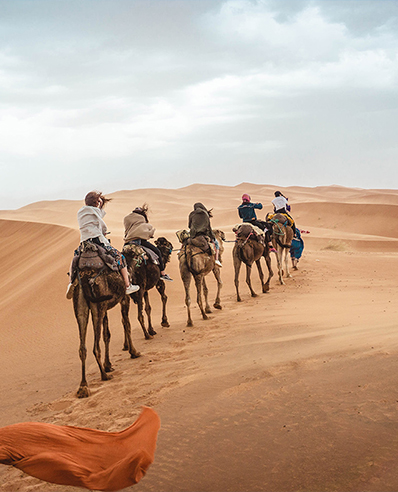
Rajasthan Tour
The north Indian state with visual extravagance and feudal traditions of royal kingdom-Rajasthan is land of vibrant colors and culture
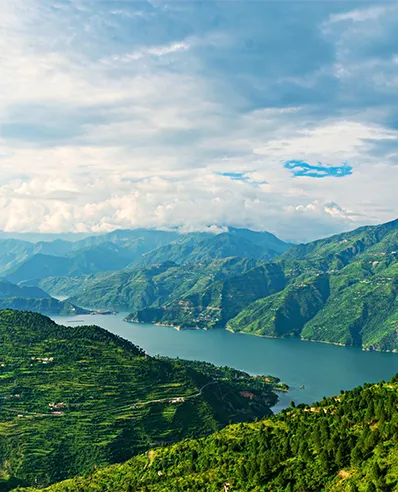
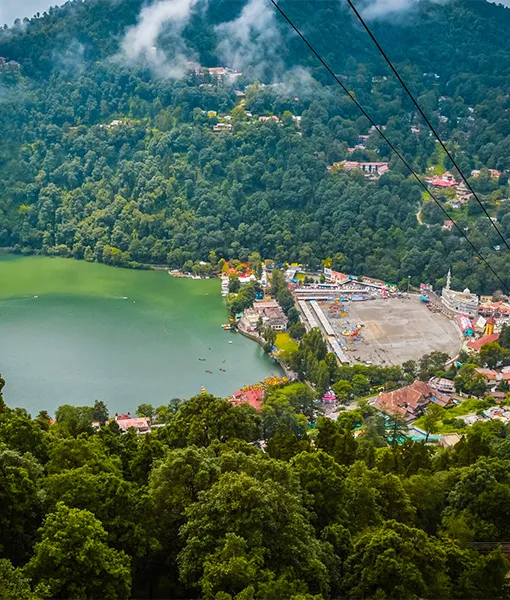
Uttarakhand Tour
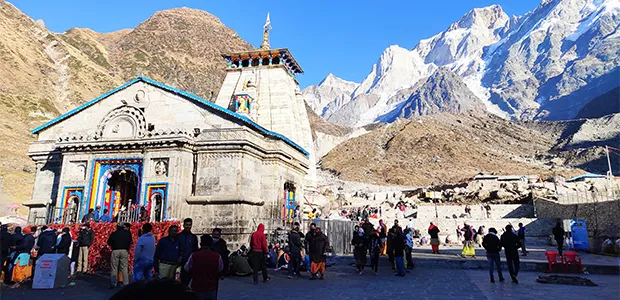
Uttarakhand is an ancient state that is mentioned in Hindu scriptures as kedarkhand. It is also called Dev Bhoomi (Adobe of gods) for its various holy places and abundant shrines
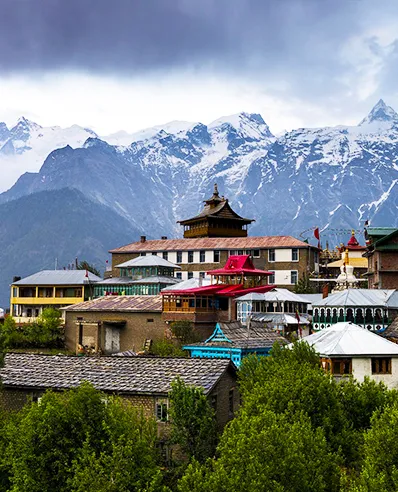
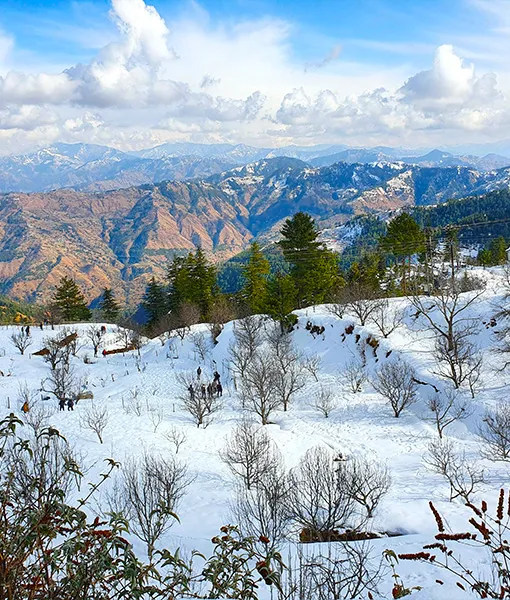
Himachal Tour
Himachal Pradesh is like cupboard of destinations waiting to be explored. Himachal tour packages are very much popular among North India tour.
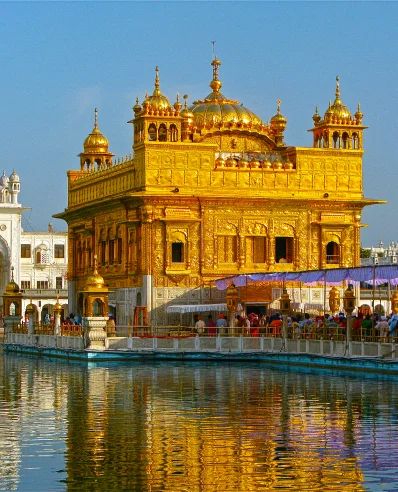
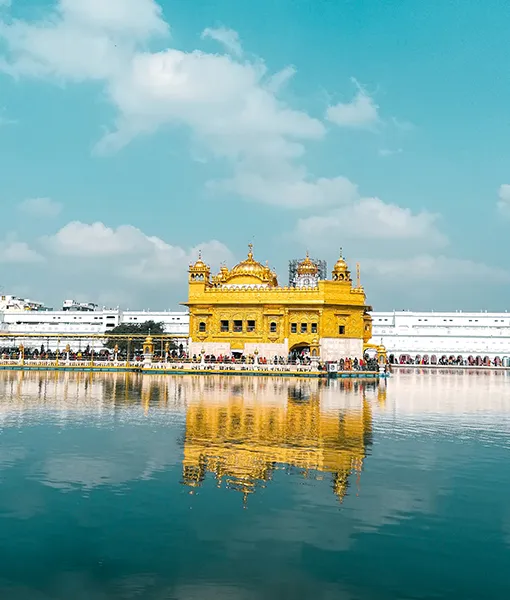
Punjab's lively culture, religious significance, and warm-hearted people make it a captivating destination for travelers. Whether you seek spirituality, history, or a taste of rural life, Punjab tourism has something to offer everyone. Experience the vibrant and culturally rich state of Punjab in North India.
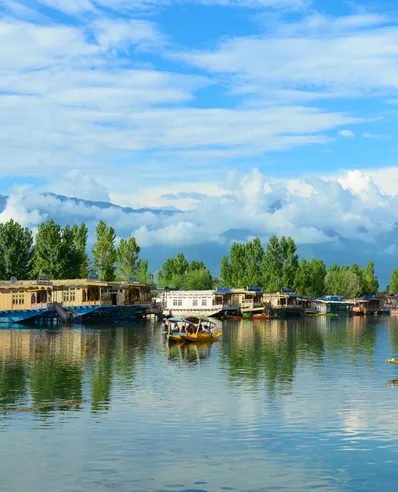
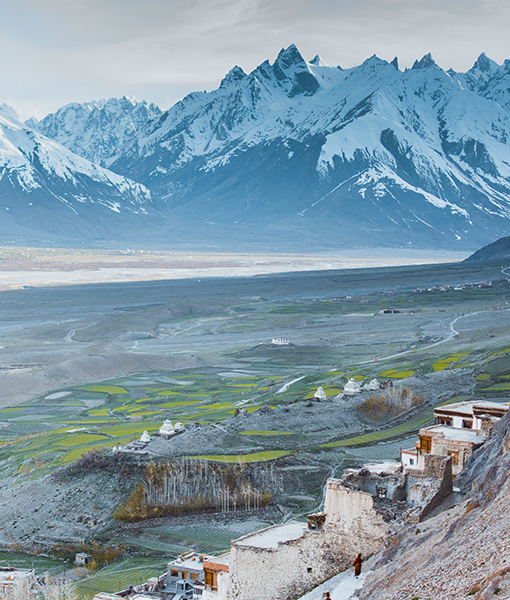
Jammu and Kashmir Tour
A unique destination abbreviated as “paradise on the earth” Kashmir is world famous for its scenic charm, snow covered mountains, lakes, wildlife, hospitality and plantations.
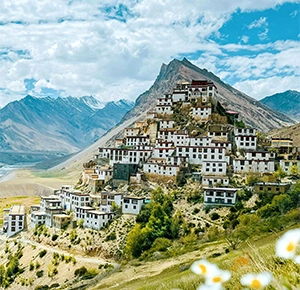
North India Tour
North India is a region of India that encompasses the states of Jammu and Kashmir, Himachal Pradesh, Uttarakhand, Punjab, Haryana, Delhi, Uttar Pradesh, and Rajasthan
Explore
Our Popular Packages
These are the itineraries our Japanese guests choose most, led by Buddhist-circuit pilgrimages and short, well-organised Golden Triangle tours.
Tour By Interest





Let's Talk
but you first!
but you first!
Let's Connect to solve your queries
We are happy to connect with you and solve all your queries related to tour packages, booking process or facilities available in vehicle. Contact us through a call, whatsapp, enquiry form or chat with our experts.
Need Any Help?
+91 8448228850Popular Cities

Your Travel Journey Starts Here
Sign up and we`'ll send the best deals to you