
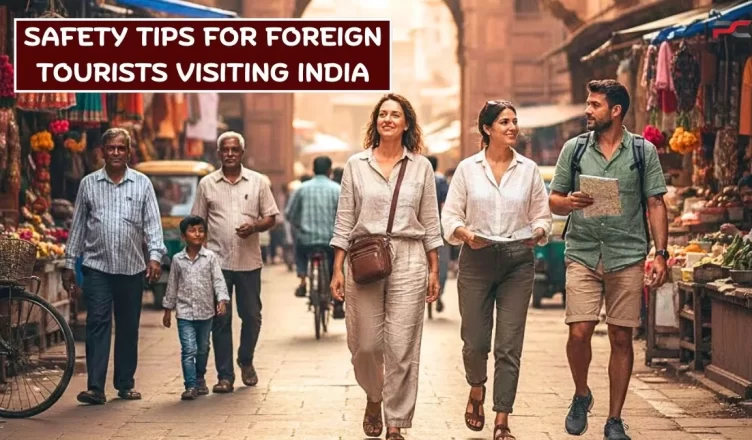
A calm start, before anything else
If you are planning a trip to India, safety is probably already on your mind. That’s normal. India can feel intense at first glance. Busy streets. Loud sounds. A lot is happening at once.
That does not mean India is unsafe by default.
Every year, millions of foreign tourists travel across India. They use public transport, walk through markets, eat local food, and move between cities without serious issues. Most trips pass without problems, especially when expectations are realistic.
This guide on safety tips for foreign tourists visiting India is not about fear or worst-case thinking. It is about understanding how things usually work, so you feel steady rather than tense while travelling.
The right mindset makes the biggest difference
Before talking about tips, it helps to adjust how you look at travel in India.
India works differently.
That does not mean it works incorrectly.
Personal space is smaller. Streets are louder. Plans sometimes change. These differences can feel uncomfortable at first, especially if you are used to quieter environments. But discomfort is not danger.
In India, awareness matters more than anxiety.
Confidence matters more than suspicion.
If you stay calm, move with purpose, and treat people with basic respect, most situations resolve on their own. Many visitors find that once they stop expecting things to work exactly like at home, travel becomes much easier.
General street safety (everyday situations)
Most safety situations in India are tied to everyday movement rather than serious or organised threats. Streets are busy, shared, and constantly in motion. Once you understand this rhythm, navigating public spaces becomes much easier. Staying alert, moving with purpose, and avoiding unnecessary confusion usually keeps things smooth. Awareness matters more than worry in daily street situations.
Here are things that actually work:
- Keep your phone as well as wallet secure in crowded places
- Walk confidently, even if you are sure about the direction
- Try not to stop yourself in the middle of busy streets to check maps
Crowds are common in India, you can easily spot them near markets, temples, and transport hubs. They are usually not aggressive. People are just moving through shared space.
Locals may look at you, ask where you are from, or start conversations. This is often curiosity, not trouble. If you don’t want to engage, a polite no and moving on is usually enough.
Money and valuables (smart habits, not fear)
Handling money in India is less about risk and more about routine. Like in any busy travel destination, small precautions go a long way. When you spread out your cash, stay organised, and avoid displaying valuables openly, money-related stress stays low. With a few practical habits, most travellers find financial safety easy to manage.
Cash and cards
India uses both cash and digital payments.
- Carry small amounts of cash for daily expenses
- Use your cards at hotels, larger restaurants as well as in stores
- Keep emergency cash separate from your main wallet
- Try not carry all your money in one place.
Where to keep valuables
- Use hotel safes when available
- Carry valuables in front pockets or zipped bags
- Avoid leaving phones or wallets on cafe tables
These habits are normal travel behaviour, not special precautions.
ATMs
- Use ATMs inside banks or shopping centres when possible
- Withdraw moderate amounts, not large sums
- Take your time. There is no pressure to rush
Transport Safety Tips for Foreign Tourists (what first-time visitors should know)
Transport in India can feel overwhelming at first because of its scale and variety. Once you know what to expect, it becomes surprisingly manageable. Cities offer multiple safe options, and long-distance travel is well established. Choosing familiar services and planning ahead helps first-time visitors travel comfortably and with confidence.
Taxis and app-based rides
- App taxis like Uber and Ola are widely used in cities
- Hotel-arranged taxis are reliable and common
- Confirm destination before starting the ride
Sit back, keep your belongings close, and avoid arguments over small amounts.
Train travel
Trains are one of the budget friendly ways to travel long distances in India.
- Book your tickets before travelling
- Choose the best class of seat for added comfort on longer trips
- Keep your valuables close to you, especially while you are sleeping
Even though trains can be crowded, they daily serve families, professionals, and tourists. For many first-timers, mixing trains with private car rides seems the most convenient and safe option.
Buses
Buses have a very wide range.
- Tourist and luxury buses are comfortable and properly organised
- Local buses are cheaper but very crowded
- Distance and comfort level should determine your choice
Accommodation Safety Tips for Foreign Tourists (planning reduces stress)
Your accommodation plays a major role in how safe and relaxed your trip feels. A well-located, reviewed place removes many everyday worries before they even arise. When your stay is comfortable and predictable, the rest of your travel flows more smoothly. Good planning here reduces stress throughout the journey.
Location
- Central places with good connections are the easiest
- Proximity to tourist hotspots or ancient cities is a plus.
- If you don’t know the place well, it’s best to steer clear of lonely spots
Often, convenience is more important than quietness.
Reviews
- Current reviews tell more than star ratings
- Find and read cleanliness and staff behaviour comments
- Take note of grievances that come up more than once
Hotels vs. guesthouses
- Hotels guarantee consistency and safety
- Guesthouses, on the other hand, can be warm and homely
- Only choose guesthouses with solid, current reviews
Almost all accommodation-related problems can be solved with a proper plan.
Cultural awareness and respect
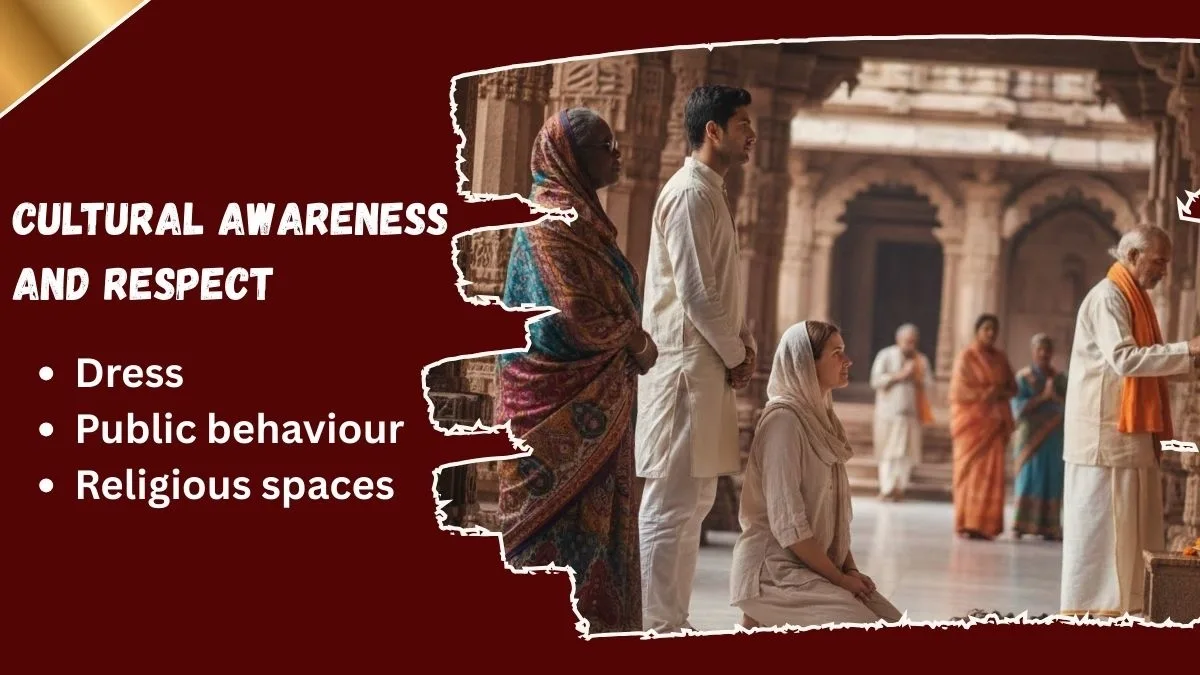
Understanding local customs quietly removes many potential misunderstandings. India places high value on respect, observation, and social awareness. When visitors adapt to local norms rather than resisting them, interactions naturally become smoother. Cultural awareness often acts as an invisible layer of safety.
Dress
- Modest clothing is appreciated, especially outside major cities
- Cover shoulders and knees at temples and religious places
- You do not need traditional clothes
Simple, neutral outfits help you blend in and feel comfortable.
Public behaviour
- Loud arguments draw attention
- Public displays of affection are uncommon
- Politeness is valued more than assertiveness
Religious spaces
- Remove shoes where required
- Ask before taking photos
- Follow what locals are doing
This is less about rules and more about observing the environment.
Advice for solo travellers and women
Solo travel in India is common and often deeply rewarding. The key is calm preparation rather than constant caution. Staying organised, choosing reliable services, and trusting your instincts helps maintain confidence. Most challenges are easier to manage when you feel prepared rather than fearful.
Solo travellers
- Many people travel solo across India without issues.
- Stay in well-reviewed accommodation
- Share your travel plan with someone back home
- Trust discomfort, not imagination
Women travellers
- Dressing modestly reduces unwanted attention
- Using hotel-arranged transport late at night helps
- Clear boundaries and confidence matter
Preparation builds confidence. Fear does not.
Health, hygiene, and food safety
Staying healthy in India does not require extreme measures. A few sensible habits are usually enough. When you listen to your body, stay hydrated, and ease into new foods, your experience remains comfortable. Health awareness works best when it is practical, not anxious.
Water
- Drink bottled or filtered water
- Avoid ice unless at reputable places
- Use bottled water for brushing teeth if unsure
Food
- Start with cooked food
- Choose busy places with regular customers
- Introduce street food slowly
Hygiene
- Wash or sanitise hands before eating
- Carry tissues or wipes
- Rest when needed
These are practical habits, not warnings.
Scams and common tourist mistakes (without panic)
Tourist scams exist worldwide, and India is no different. Most situations are easy to recognise once you know what to expect. Staying polite, firm, and disengaged prevents small inconveniences from becoming problems. Calm responses usually end these situations quickly.
Common situations include:
- Over-friendly strangers offering help
- Unofficial guides near monuments
- Drivers suggesting shopping stops
How to handle them:
- Say no politely and firmly
- Avoid explanations
- Move on calmly
Most situations end once you disengage.
Emergency support and help
Knowing that help is available brings peace of mind while travelling. India has clear emergency systems, and backup support exists that is often closer than you expect. Hotels, public places, and local authorities are reliable first points of contact. Having this awareness allows you to travel with greater confidence.
- Emergency number in India: 112
- Hotel staff are usually your first point of help
- Locals often helps your if you ask calmly
If something feels wrong, step into a shop, hotel, or cafe. Public spaces are usually safe places to pause.
A balanced ending
Travelling in India does not require bravery.
It requires patience.
These safety tips for foreign tourists visiting India are not about avoiding the country. They are about understanding it. Most people you meet will be helpful, curious, or busy with their own lives.
If you stay aware, respect local norms, and give yourself time to adjust, India becomes easier to read each day.
You don’t need to be fearless.
You just need to stay present.
That is usually enough for a safe and meaningful trip.