

Devbhoomi-the Land of Gods-has never been more sought after. From ancient pilgrimage capitals to Himalayan hill stations going viral, here are the ten famous places in Uttarakhand which are dominating travel searches and itineraries this year.
13 UNESCO districts
3,800+ Temples & shrines
6,500 m Highest peak
46% Forest cover
Why Uttarakhand Tourism is surging in 2026?
Post-pandemic travel shifts, Char Dham expansion projects, improved NH connectivity, and a surge in workation tourism have pushed Uttarakhand to its highest-ever visitor numbers. These are the cities leading that wave.
Uttarakhand occupies a unique position in the Indian travel imagination-simultaneously the holiest ground, the most dramatic mountain landscape, and increasingly, one of the country’s most sophisticated wellness and adventure tourism destinations. Char Dham Yatra is most highlighted religious tours that occur every year in Uttarakhand. Whether you’re a first-time visitor or a returning regular, the state rewards every direction you look. Here are the ten cities and towns that are defining Uttarakhand travel in 2026.
Dehradun– The capital that outgrew its hill-town reputation
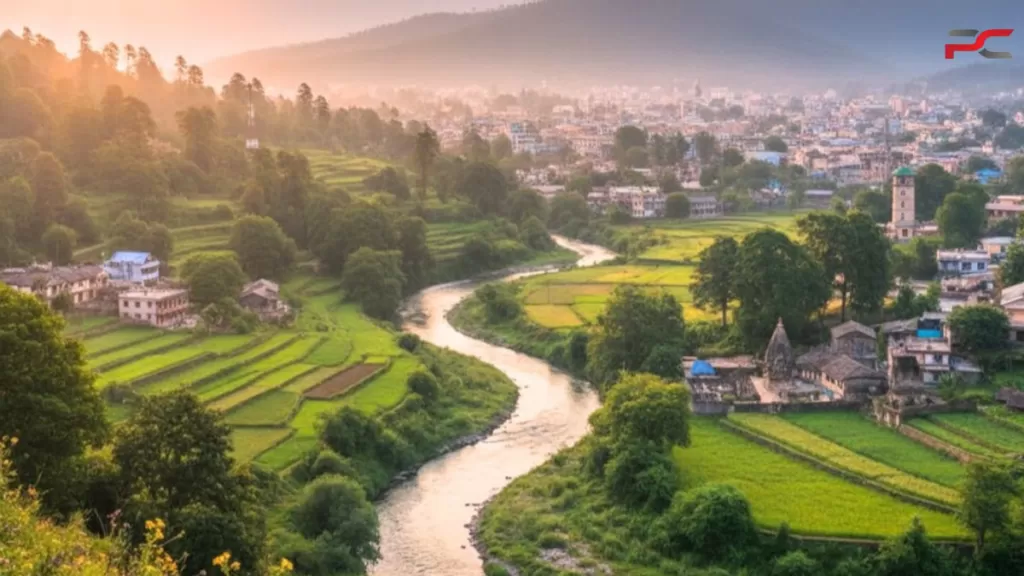
State capital Workation hub Gateway city
Dehradun has transformed from a sleepy retirement town and educational hub into one of North India’s most dynamic mid-sized cities-and the travel numbers reflect it. It serves as the primary gateway to the Garhwal Himalaya, putting Mussoorie, Rishikesh, Haridwar, and the Char Dham circuit all within reach. The city’s own offerings have expanded dramatically: the Robber’s Cave (Guchhupani), the Forest Research Institute campus, Sahastradhara waterfalls, and the Tapkeshwar temple are all compelling day stops. The restaurant and café scene in Rajpur Road and Clement Town has made it a genuine urban destination.
For 2026, Dehradun is trending specifically as a workation base-the combination of Tier-2 cost of living, reliable internet infrastructure in areas like Rajpur and GMS Road, and weekend escape proximity to the hills has made it a favourite for remote workers from Delhi, Bengaluru, and Mumbai.
Rishikesh– Adventure capital, yoga capital, and river capital all at once

Yoga & wellness River rafting Backpacker scene
No city in Uttarakhand receives more visitors per square kilometre than Rishikesh, and in 2026 it continues to grow in every direction simultaneously. The Beatles Ashram (Chaurasi Kutia) has been fully restored and opened to visitors, drawing music history enthusiasts alongside the traditional yoga crowd. Bungee jumping, white-water rafting, cliff jumping, and paragliding operators on the Shivpuri stretch are fully booked weeks ahead. Meanwhile, Laxman Jhula and Ram Jhula remain the spiritual anchors-the Ganga aarti at Triveni Ghat at dusk is among the most powerful free experiences in India.
What’s new in 2026 is the emergence of high-end retreat centres that have displaced the shoestring-backpacker identity of the Laxman Jhula market. Rishikesh is increasingly a destination where a ₹15,000-per-night Ganga-view room sells as readily as a ₹600 ashram bed.
Haridwar– The gateway to the gods-and the holiest stretch of the Ganga
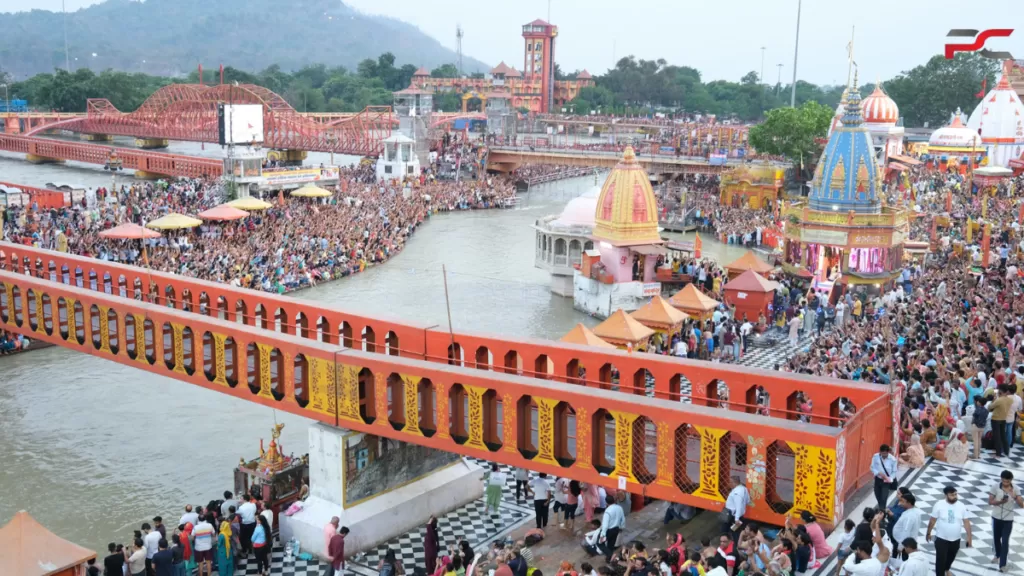
Pilgrimage Kumbh Mela Heritage Ganga aarti
Haridwar is the spiritual hinge of Uttarakhand-the point where the Ganga descends from the mountains and enters the plains, and where most Char Dham yatris begin their journey. The Har Ki Pauri ghat and the evening aarti here, with diyas floating on the current and bells cascading over the river, remains one of the defining experiences of North Indian travel. In 2026, Haridwar’s trending status is partly driven by post-Kumbh infrastructure upgrades that have dramatically improved ghats, roads, and accommodation. The city also serves as the primary wholesale market for Ayurvedic and herbal products-Patanjali Yogpeeth and numerous established Ayurvedic ashrams draw health tourists throughout the year.
Mussoorie– The Queen of Hills-still reigning, still relevant
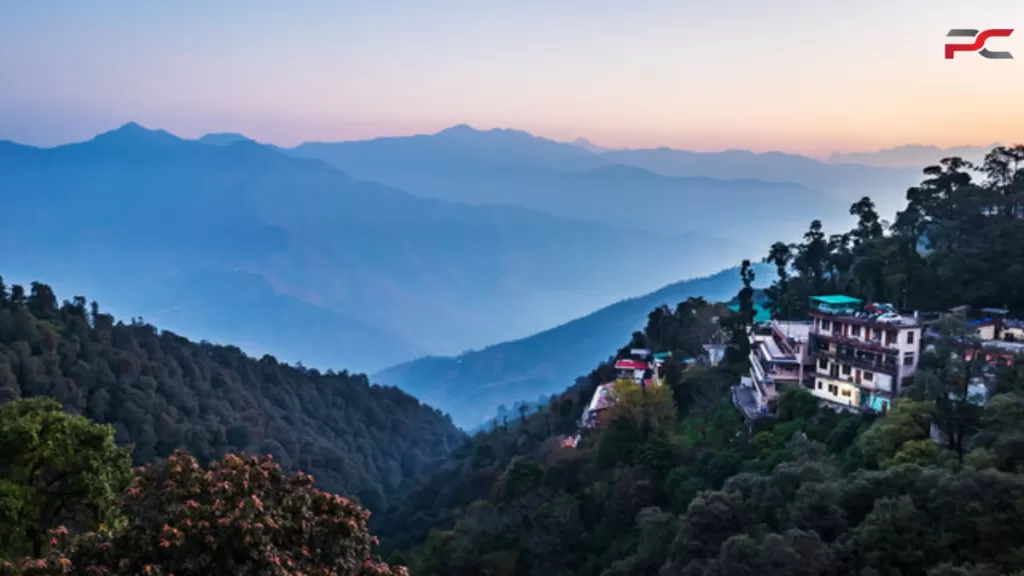
Hill station Mall Road Kempty Falls
Mussoorie has been called overrated by every generation of Indian travellers-and visited by all of them anyway. The truth is that the Queen of Hills earns her crown in specific moments: the view of the Doon Valley from Gun Hill at sunrise, the first snowfall of January that blankets the Mall Road, the Camel’s Back Road at dusk. In 2026 the city is trending for a new reason: the Landour area above Mussoorie, with its colonial bungalows and boutique cafés, has become one of India’s most instagrammed heritage walks. Char Dham travellers use it as a comfortable first-night halt; weekend travellers from Delhi fill it on Friday evenings.
Nainital– A lake, a sky, and a town arranged around both
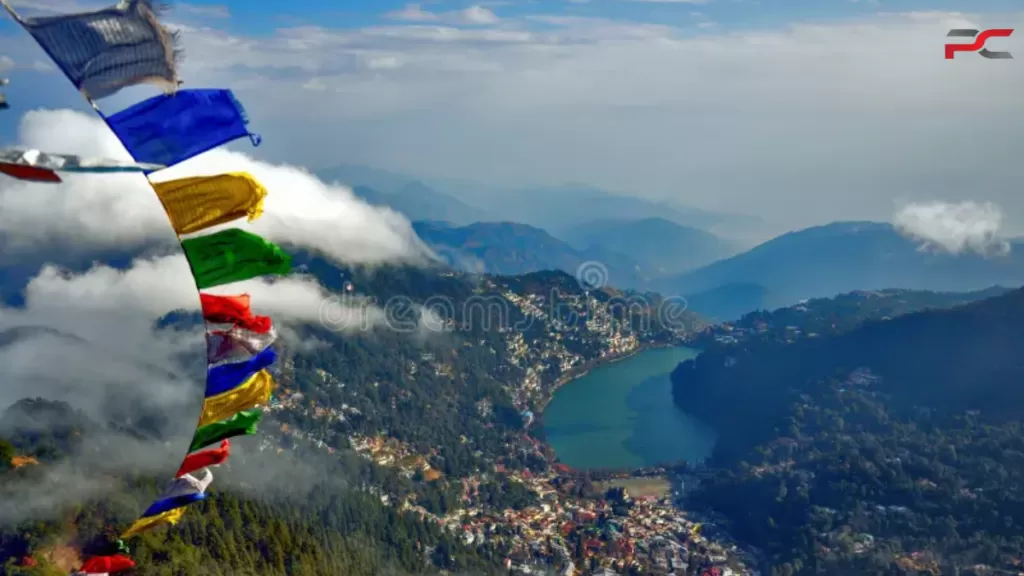
Lake city Kumaon gateway Family favourite
Nainital is built around its lake-the Naini, a kidney-shaped glacial body that reflects the town’s lights after dark in a way that feels engineered for romance. The Mall Road, boat rides, Snow View Point accessible by ropeway, and the colonial-era high court that still functions on the ridge-Nainital packs extraordinary variety into a small area. In 2026 it trends as the anchor of the growing Kumaon circuit, with travellers pairing it with Mukteshwar, Ranikhet, and Kausani on multi-day loops. The Uttarakhand government’s push for Kumaon as a distinct travel region is driving new hotel investment and improved roads into the district.
Check Out: Nainital Tour Package
Auli– India’s ski capital is going year-round
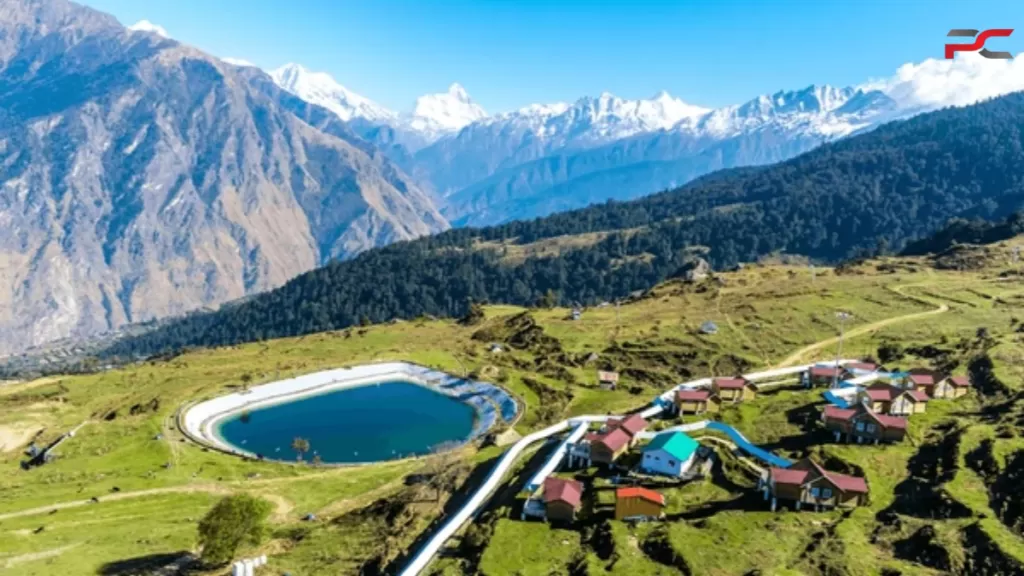
Skiing Nanda Devi views Adventure sports
Auli’s reputation as India’s premier ski destination is well established, but what’s trending in 2026 is its summer avatar. The meadows that fill with snow in January transform into a vast green plateau in summer, offering some of the most accessible high-altitude Himalayan views in the country-Nanda Devi, Kamet, Mana Parvat, and Dronagiri all visible on clear days. The Auli–Gorson Bugyal trek is drawing trekkers who’d previously go to Chopta or Deoria Tal. The ropeway from Joshimath (Asia’s longest at 4 km) makes access effortless, and GMVN’s resort is being supplemented by several new mid-range properties.
Find Here: Auli and Joshimath Trip Plan for Adventure Lovers
Badrinath– Sacred beyond measure-and now easier to reach
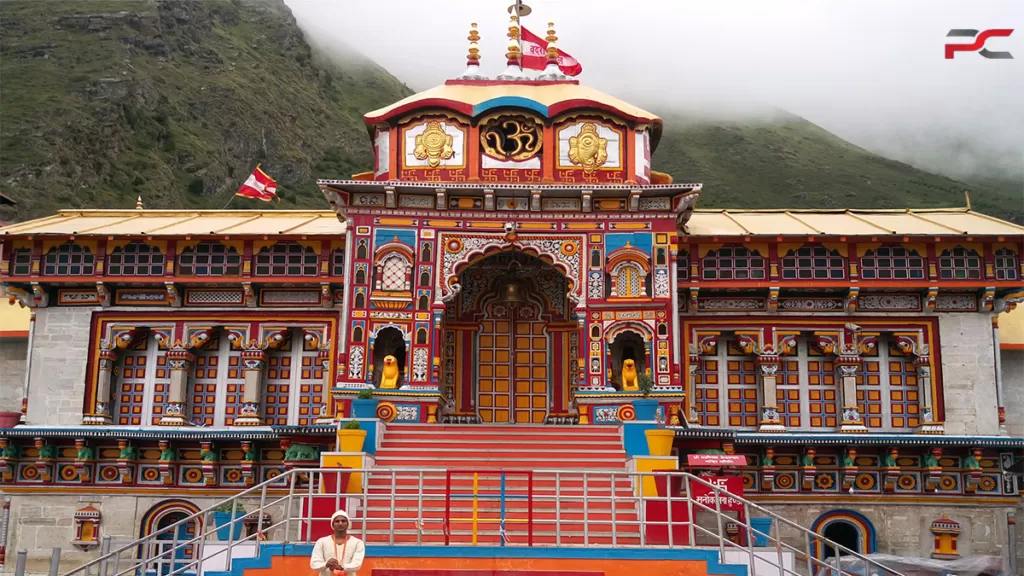
Char Dham Pilgrimage Mana village
Badrinath’s position as the final Dham and the abode of Lord Vishnu at 3,133 metres makes it one of Hinduism’s most significant pilgrimage points. In 2026, the Badrinath Master Plan upgrades-widened approach roads, improved parking, restored ghats along the Alaknanda-have made the experience noticeably smoother even at peak season. Mana village, just 3 km beyond the temple and India’s last village before the Tibet border, is itself becoming a draw: local cafés run by women’s self-help groups, traditional Bhotiya weaving, and the Vyas Gufa (cave of the sage Vyasa) add cultural depth to the religious experience.
Kedarnath– The most dramatic of all pilgrimages
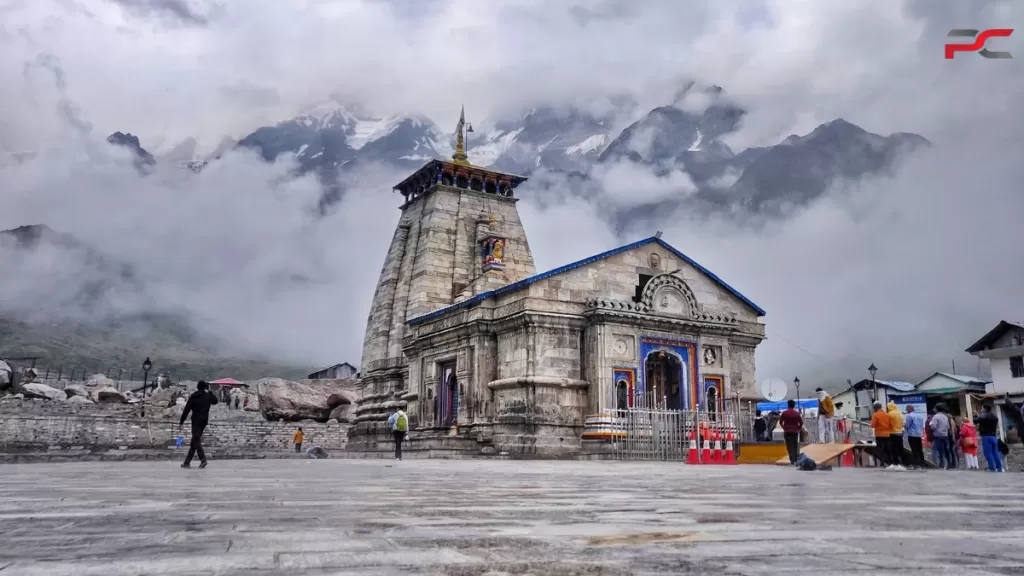
Char Dham Shiva temple Helicopter access
Kedarnath, perched at 3,583 metres with the Mandakini glacier as its backdrop, is among the most visually overwhelming pilgrimage sites on earth. The ancient stone temple-believed to be over 1,200 years old-survived the catastrophic 2013 floods that reshaped the valley, which many devotees interpret as divine protection and which has deepened the site’s spiritual significance. Helicopter services from Phata, Guptkashi, and Sitapur have made Kedarnath accessible to pilgrims who cannot undertake the 16 km trek, and online booking for the heli services opens months in advance for peak season slots. In 2026 it remains the single most-searched Uttarakhand destination. To explore this extremely heaven Shiva Dham, read this Kedarnath Yatra Travel Guide.
Mukteshwar– The Kumaon secret that social media finally found
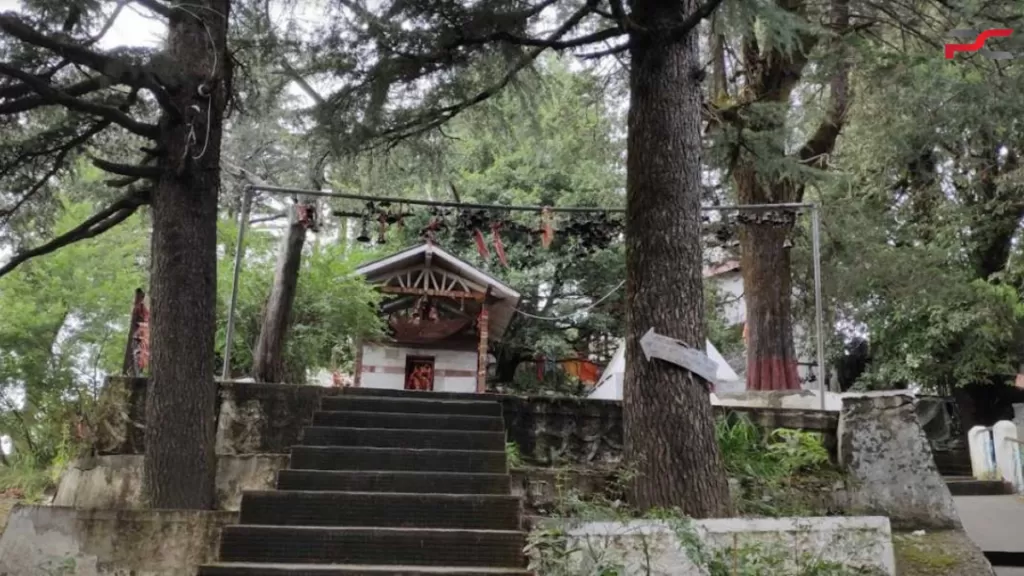
Offbeat Apple orchards Panoramic views
Mukteshwar at 2,286 metres has been known to naturalists and birdwatchers for decades-it houses one of India’s oldest veterinary research institutes-but it’s only in the last two to three years that mainstream travel has caught up. The reason is simple: on clear days, the 300-degree Himalayan panorama from the Chauli Ki Jali viewpoint includes Nanda Devi, Trishul, Panchachuli, and over 15 other peaks. The apple and peach orchards that surround the town make it fragrant in spring and dramatic in autumn. New boutique homestays have emerged across the apple-orchard belt, offering farm-stay experiences that are drawing urban families away from the more crowded Nainital–Mussoorie circuit.
Chopta– Uttarakhand’s best-kept secret-for now
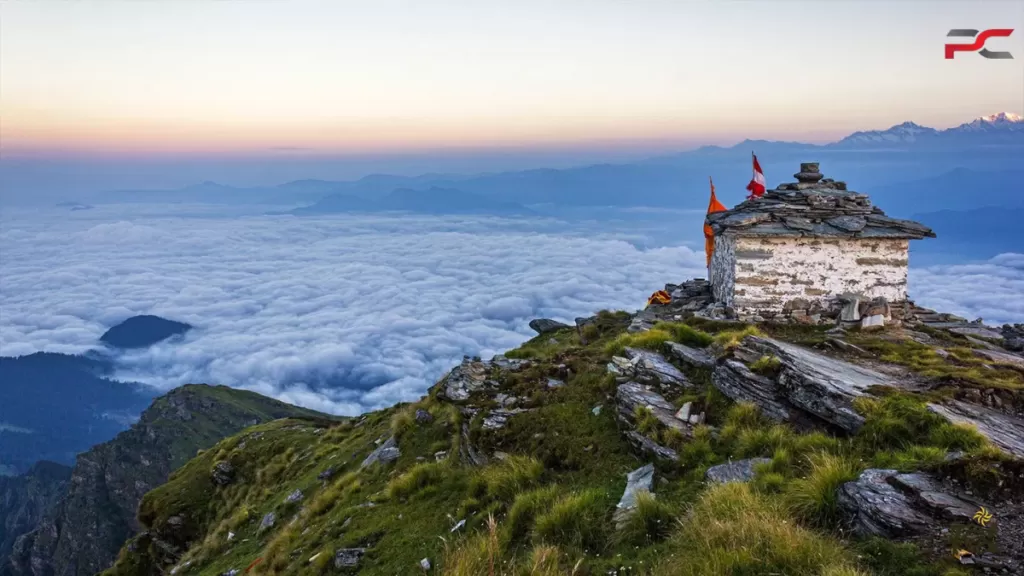
Trekking base Tungnath temple Deoria Tal
Chopta sits at 2,680 metres in the Kedarnath Wildlife Sanctuary-a largely undeveloped meadow hamlet that serves as the base for the Tungnath and Chandrashila treks. What makes it trend in 2026 is a combination of factors: post-lockdown discovery by urban trekkers, reels of the Deoria Tal lake reflection going viral in late 2024, and the fact that it remains genuinely unspoilt-no concrete hotels, no souvenir shops, just forest, meadow, and mountain. The trek to Tungnath through rhododendron forest is considered among the most scenic 3–4 km walks in the Indian Himalaya. Summer and post-monsoon are peak seasons; winter access is restricted by snowfall.
With our well-designed Uttarakhand Tour Packages from Delhi, you can explore best attractions, hidden gems, beautiful places.

To Sum Up
“Uttarakhand doesn’t ask for your attention. It simply takes it-with a river, or a ridge, or a temple bell heard from half a valley away.” To have best experience, book Uttarakhand tour by tempo traveller and enjoy the group vacation with family and friends.
Thanks for sharing this useful information. A Tempo Traveller for Outstation makes long-distance journeys more convenient and enjoyable.