

Hey, Fellow Explorers!
Let’s be honest: India isn’t just a country, it’s a whole planet fitted into one border. We’re talking about a place with snowy Himalayan peaks in the north, golden deserts in the west, lush rainforests, and sunny coasts! Because of this wild, wonderful mix of scenery and climate, determining the best time to visit India for first-timers completely depends on the adventure you’re craving.
But don’t worry, we are here to cut through the complexity! In this guide, we will break down India’s three main travel seasons: winter, summer and monsoon. It helps you to figure out the timing for your epic journey, from the Himalayan foothills all the way down to the shores of Kerala.
If you’re planning your first trip to India, the real question isn’t just when to visit, but what kind of experience you want.
- Do you prefer cool weather and festivals?
- Mountain escapes?
- Or lush green landscapes with fewer crowds?
India has three main travel seasons:
- Winter (October–March)
Cool, dry, and ideal for sightseeing across most of the country.
- Summer (April-June)
Hot in the plains but perfect for mountains and hill stations.
- Monsoon (July-September)
Rainy season bringing greenery, fewer crowds, and lower prices.
The Golden Window: Best Time to visit India (October to March)
For most travelers, these 6 months are considered the best time to visit India for good weather. If you want consistently pleasant temperatures, clear blue skies, and maximum festive energy, then October to March is your time! The whole country seems to be shining, making it perfect for sightseeing and deep cultural immersion.
Weather That Feels Like a Vacation
This is the sweet spot for weather across the nation:
- North India: Places like Delhi, Agra as well as Rajasthan are gorgeous, with cool mornings and mild afternoons-perfect for exploring those incredible forts, palaces and busy markets.
Find Here: List of Top 10 Forts in Rajasthan to Must Visit
- South India: The sticky humidity finally takes a break! This is widely regarded as the best time to visit India for a honeymoon, as Goa, Kerala, and Tamil Nadu transform into dreamy coastal escapes with calm beaches and peaceful backwaters
Basically, this period is what everyone calls “perfect Indian weather”-neither too hot nor too cold, and absolutely ideal for hitting the streets and trails.
Excited? Find Here: Best places to Visit in India in Winter
The Culture and Color You Came Here For
India’s festive spirit is surely at its greatest:
Diwali (October/November): The Festival of Lights turns cities into literally glowing wonderlands! You will see homes brightening with diyas, fireworks lighting up the sky, and streets full of sweets and pure joy.
Holi (February/March): Get ready for the craziest party of your life! The Festival of Colors marks the end of winter with laughter, color as well as community celebrations across India.
This season perfectly combines culture, comfort, and color-it’s the true essence of India travel!
India in Summer: Go Mountain High! (April to June)
When the plains start to sizzle, India’s summer brings a whole new kind of adventure: a great escape to the mountains!
The Heat in the Plains (Spoiler: It’s Intense)
Let’s be upfront: in most of Central and North India, summer is hot, with temperatures often topping 40°C. Cities like Delhi, Jaipur, and Varanasi feel burning, making daytime sightseeing really tough. Unless you secretly love extreme heat, you might want to avoid the plains this time of year.
The Magic of Mountain Retreats
But here’s your travel hack: Summer is the absolute best time to visit India’s high-altitude destinations!
- The amazing routes of Himachal Pradesh and Uttarakhand-places like Shimla, Manali, Mussoorie and Nainital-are fully open and filled with fresh mountain air.
- Most importantly, the incredible high-altitude regions of Ladakh and Kashmir become accessible! This is prime season for epic road trips, serious trekking, and visiting spiritual monasteries.
If you are an adventure lover wondering when to go for trekking, camping, and mountain drives, this is it! Furthermore you can experience occasions such as Baisakhi (April) in Punjab and the calm Buddha Purnima (May) in Northern and Eastern India.
The Monsoon Season- Greenery and Quiet Charm (July to September)
The monsoon transforms India completely! Apart from the refreshing rains and swollen rivers, the entire landscape becomes alive in green. It is the secret season for peace and budget travel.
The Upsides and Downsides of the Rain
| Pros of Monsoon Travel | Cons of Monsoon Travel |
| Lush Greenery: Green hills and waterfalls at their peak create a dreamy atmosphere. | Travel disturbance: Heavy rains can sometimes disrupt plans, mostly in hill areas. |
| Affordable Costs: Both hotels and flights are typically less expensive during non-peak times. | Slippery Roads: Driving in mountain regions is not easy. |
| Wellness Focus: It is the best time for Ayurvedic treatments in Kerala, as the high humidity supposedly boosts their effectiveness. | Humidity: Some regions can feel quite sticky and uncomfortable. |
Where to Go When It Pours
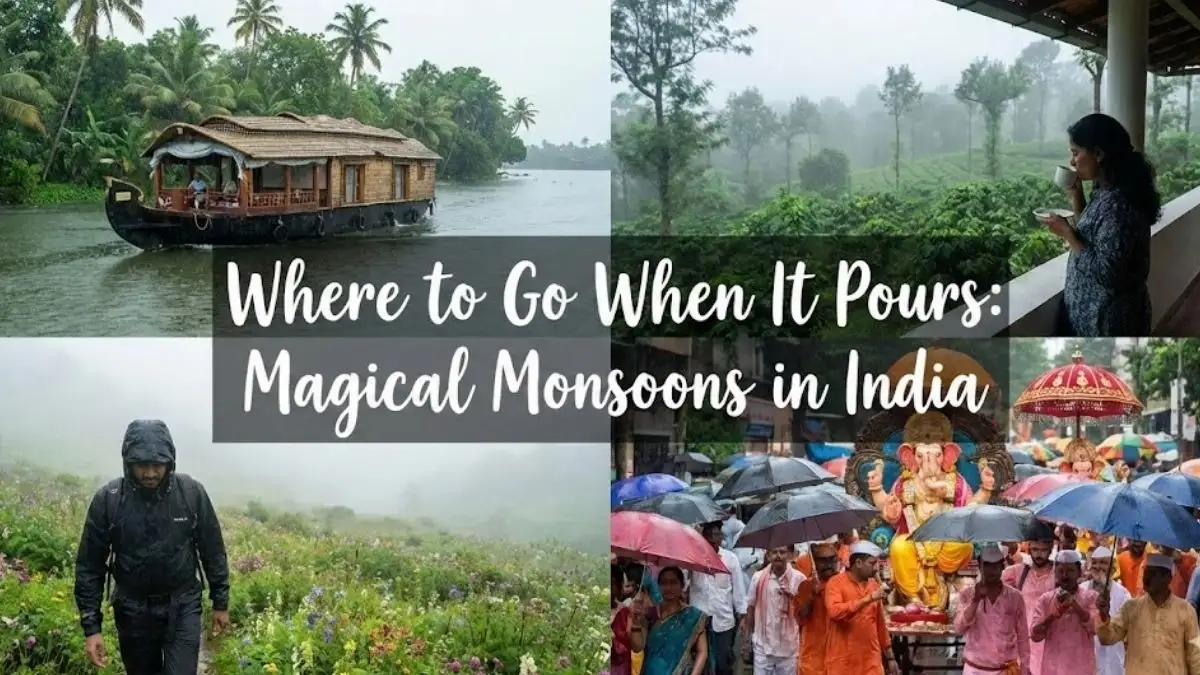
If you genuinely love the rain, India is magical:
- Kerala’s Backwaters: They look incredibly beautiful and full.
- Goa and Coorg: Perfect for relaxing, sipping local coffee, and enjoying the rain with greenery.
- Valley of Flowers (Uttarakhand): This is a short window trek that is filled with colorful blooms right after the rains.
- Festivals: You can join the vibrant Ganesh Chaturthi celebrations in Maharashtra or the beautiful harvest festival of Onam in Kerala.
Quick Reference: What to Do and When
Here is a quick guide to help you plan the perfect trip across India’s travel seasons:
- Safaris as well as Wildlife: October to April
- Himalayan Trekking: May to October
- Beaches (Goa, Kerala): November to February
- Golden Triangle and Rajasthan: October to March
- Ayurveda Retreats: July to September (during monsoon in India)
Planning Tip:
Always check the specific India weather forecast for your chosen region before booking, as temperatures and rainfall are different in the north and the south.
Conclusion
So, when is the best time to visit India? It truly depends on what you are looking for: winter for perfect weather and festivals, summer for mountain adventures, and monsoon for peace and natural beauty. Every season gives a new story, a new color and a new look to this diverse land.
Ready to explore? Start dreaming about your trip and let India’s beauty take your breath away. You can contact us to get a well-designed and Customised Plan for India Tour according to your choice and preferences.
Do you have a question or concern about traveling to India or would you like help planning your travel itinerary? Share your thoughts in the comments. We as a leading travel agency in India try our level best to get back to all your queries and give great solutions to make your India Trip unforgettable.
Frequently Asked Questions
Is monsoon a bad time to visit India?
- Not necessarily. Monsoon can be beautiful for regions like Kerala, Goa, and the Western Ghats, but flexibility is important due to rain.
Is summer too hot to visit India?
- Summer can be very hot in cities like Delhi and Agra, but it’s an excellent time to visit hill stations and the Himalayas.
How many days do you need to go to India for the first time?
- A first visit should last 10 to 14 days so you can see 2 to 3 destinations without feeling rushed.
Should I book my trip to India ahead of time?
- Yes. Booking hotels and transportation ahead of time makes it easier to plan and makes sure you have a place to stay during the winter.
Many people dream of travelling across India, but some want their journey to feel more exciting and adventurous. That is why India Motorbike Tour has become so popular. It is not just about reaching a place, it is about enjoying every moment on the road. At India Motorbike Tour, we help you experience this adventure in the safest and best way. Our guided motorbike tour packages are perfect for beginners as well as experienced riders who want to explore India in a unique way. You get expert support, well-planned routes and a team that rides with you. If you want to see India differently, our bike tours are the best way to start your journey.