

Himachal Pradesh in summer is magnificent-but Shimla, Manali, and Dharamshala are packed to the brim. If you’re seeking serenity instead of selfie spots, pine-scented air instead of traffic jams, and genuine mountain quiet instead of honking cars, you need to venture off the beaten path.
Here is a list of top 10 hidden gems in Himachal: crowd-free valleys, forgotten villages, and tranquil trails where you can actually hear the wind in the deodar trees.
10 Best Best-Kept Secrets of Himachal Pradesh
1. Tirthan Valley-The Untouched Jewel
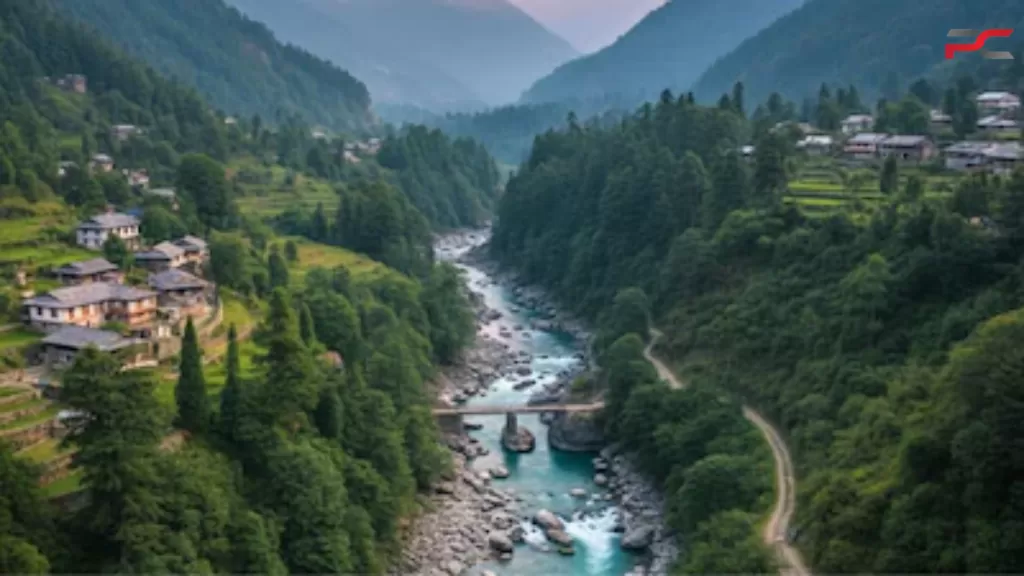
Where: Kullu District | Nearest Town: Aut (on the Chandigarh-Manali highway)
Why Go: Crystal-clear rivers, trout fishing, ancient temples, and the Great Himalayan National Park on your doorstep.
Tirthan Valley runs parallel to the Kullu Valley but remains blissfully ignored by the Manali-bound crowds. The Tirthan River-a tributary of the Beas-flows gin-clear through dense forests of oak, deodar, and rhododendron. This is where you come to disconnect.
What to Do:
- Trout Fishing: The Tirthan is one of India’s premier trout fishing rivers. Rent gear from local homestays and spend a morning by the water.
- Great Himalayan National Park (GHNP): A UNESCO World Heritage Site. Trek to Rolla, Shilt Hut, or the higher meadows of Tirath. Wildlife includes Himalayan tahr, musk deer, and if you’re lucky, the elusive snow leopard.
- Village Walks: Explore villages like Gushaini, Bathad, and Shoja. Stone houses, apple orchards, and locals who still practice subsistence farming.
- Raghupur Fort Trek: A hidden 17th-century fort perched on a ridge. The trek starts from Sai Ropa village and takes about 4 hours one way.
Where to Stay: Family-run guesthouses and eco-stays in Gushaini, Nagini, and Jibhi. Expect wooden cottages, home-cooked meals, and river views. Budget: ₹800–₹2,500/night.
Best Time: April–June and September–October. Avoid monsoon (July–August) as roads can get tricky.
Crowd Level: ⭐☆☆☆☆ (Very Low)-You’ll see more trout than tourists.
2. Barot-The Angler’s Paradise
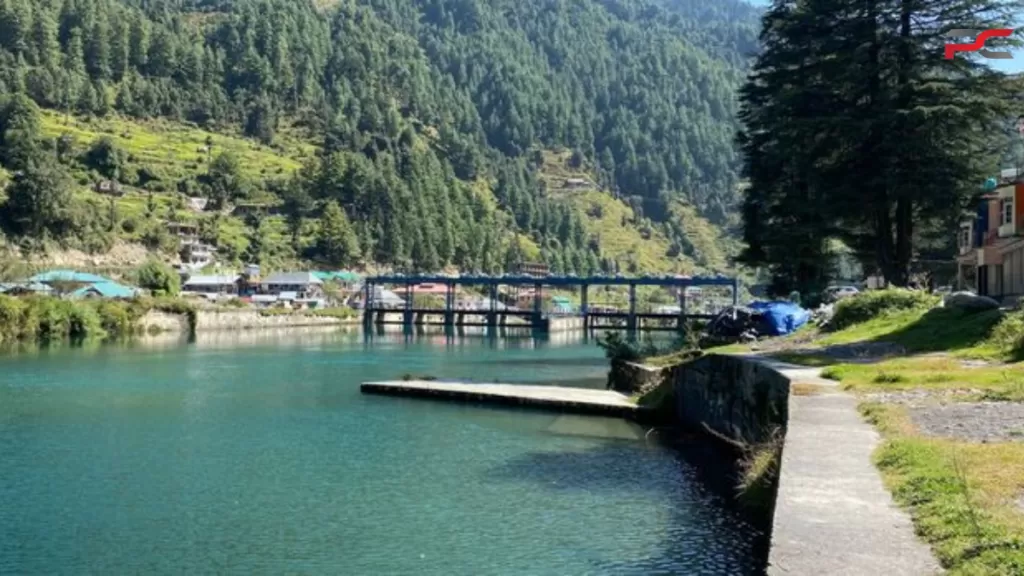
Where: Mandi District | Nearest Town: Joginder Nagar
Why Go: An off-grid hamlet surrounded by pine forests, with the Uhl River running through it and zero commercialization.
Barot was established in the 1920s as a hydroelectric project camp and has remained frozen in time. There’s no mall, no nightlife, no ziplines-just mountains, a cold river, and silence.
What to Do:
- Trout Fishing: The Uhl River is stocked with trout. You need a permit (available at the Range Office in Barot for ₹500–₹1,000/day).
- Nargu Wildlife Sanctuary Trek: A 12 km trek to the sanctuary, home to monal, black bear, and ghoral. The trail winds through dense deodar forests.
- Camping: Camp by the river or near Bir Billing (a 2-hour drive away, famous for paragliding, but Barot itself is quiet).
- Photography: The valley is photogenic year-round. Early mornings bring mist that blankets the pine slopes.
Where to Stay: Government guesthouse, forest rest houses, or budget homestays. Electricity is intermittent. Expect basic amenities. Budget: ₹600–₹1,500/night.
How to Reach: From Chandigarh, take a bus/taxi to Joginder Nagar (150 km, 5 hours), then a local taxi to Barot (40 km, 1.5 hours). The last 25 km is a rough mountain road.
Best Time: May–June (pleasant) and September–November (autumn colors).
Crowd Level: ⭐☆☆☆☆ (Very Low)-You might be the only tourist in your guesthouse.
3. Jibhi and Jalori Pass-The Quiet Cousin of Manali
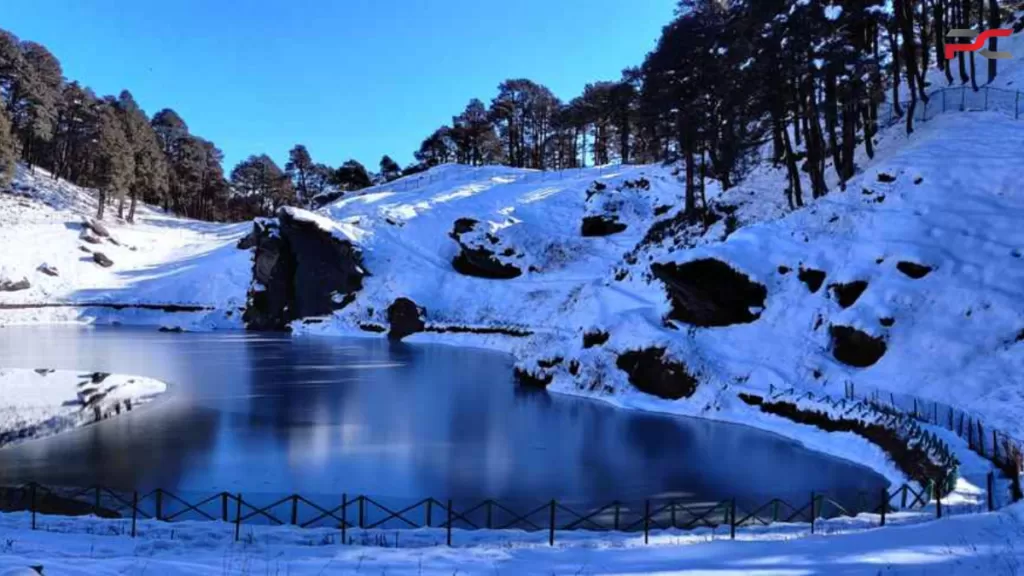
Where: Kullu District | Nearest Town: Aut
Why Go: Fairy-tale wooden cottages, waterfall hikes, and alpine meadows-all without the Manali chaos.
Jibhi is a tiny village that feels like something out of a Miyazaki film. Wooden houses with slate roofs, a gurgling stream, and apple orchards. It’s what Manali was 30 years ago.
What to Do:
- Jibhi Waterfall Trek: A short 20-minute walk from the village. The waterfall cascades through moss-covered rocks-perfect for a quiet afternoon.
- Jalori Pass (3,120m): A 1-hour drive from Jibhi. The pass offers panoramic views of the Pir Panjal range. From here, trek to Serolsar Lake (5 km, 2 hours)-a sacred lake surrounded by forests.
- Chehni Kothi: A 1,500-year-old tower temple in Chehni village (1-hour trek from the road). The structure is built entirely without cement or nails.
- Raghupur Fort: Trek from Shoja village (near Jibhi) to this fort perched on a cliff.
Where to Stay: Homestays and boutique guesthouses. Wooden cottages with valley views are the norm. Many have in-house cafés serving local trout and Himachali dishes. Budget: ₹1,000–₹3,000/night.
How to Reach: From Chandigarh, drive to Aut (240 km, 7 hours), then another 15 km to Jibhi (30 minutes). It is one of the best places near Chandigarh for a couple trip or family vacation.
Best Time: April–June and September–November.
Crowd Level: ⭐⭐☆☆☆ (Low)-Gaining popularity but still peaceful. Avoid long weekends.
4. Shoja-The Meadow Village
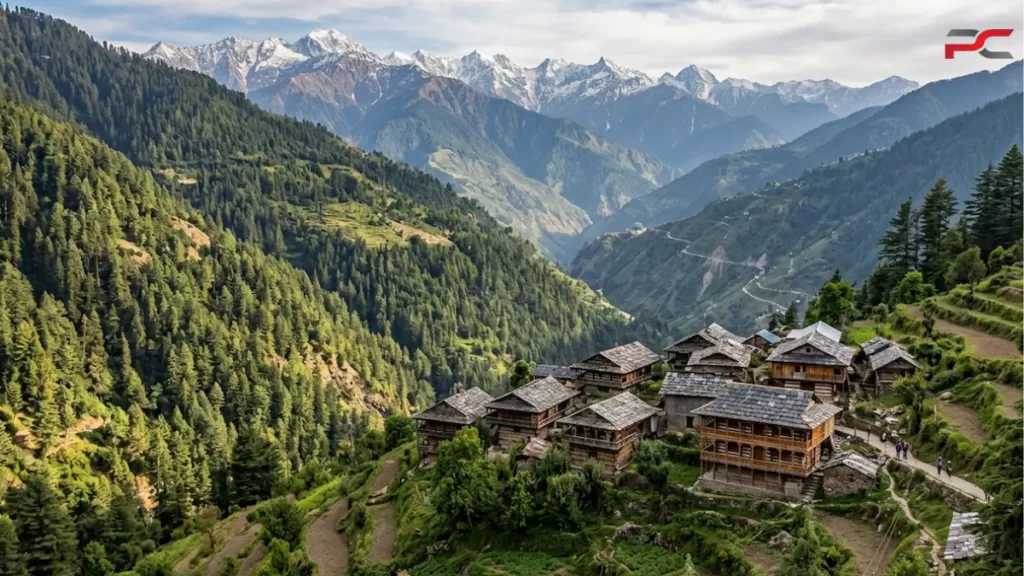
Where: Kullu District, near Jalori Pass
Why Go: High-altitude meadows, 360° mountain views, and complete isolation.
Shoja sits at 2,700 meters on the edge of a vast meadow overlooking the Tirthan and Sainj valleys. There’s nothing to “do” here in the conventional sense-and that’s the point.
What to Do:
- Walk the Meadows: The village sits on a plateau surrounded by wildflower meadows. In summer, the fields turn yellow with buttercups.
- Serolsar Lake Trek: 5 km from Jalori Pass. The lake is considered sacred; fishing is prohibited.
- Raghupur Fort: A moderate trek offering views of the Pir Panjal range.
- Stargazing: Shoja has zero light pollution. The Milky Way is visible on clear nights.
Where to Stay: A handful of homestays and one boutique eco-lodge. Expect wood-fired heaters in rooms, home-cooked meals, and total quiet. Budget: ₹1,200–₹3,500/night.
Best Time: May–June (flowers bloom) and September–October (crisp air, golden light).
Crowd Level: ⭐☆☆☆☆ (Very Low)-Even on weekends, you’ll barely see anyone.
5. Chitkul-India’s Last Inhabited Village
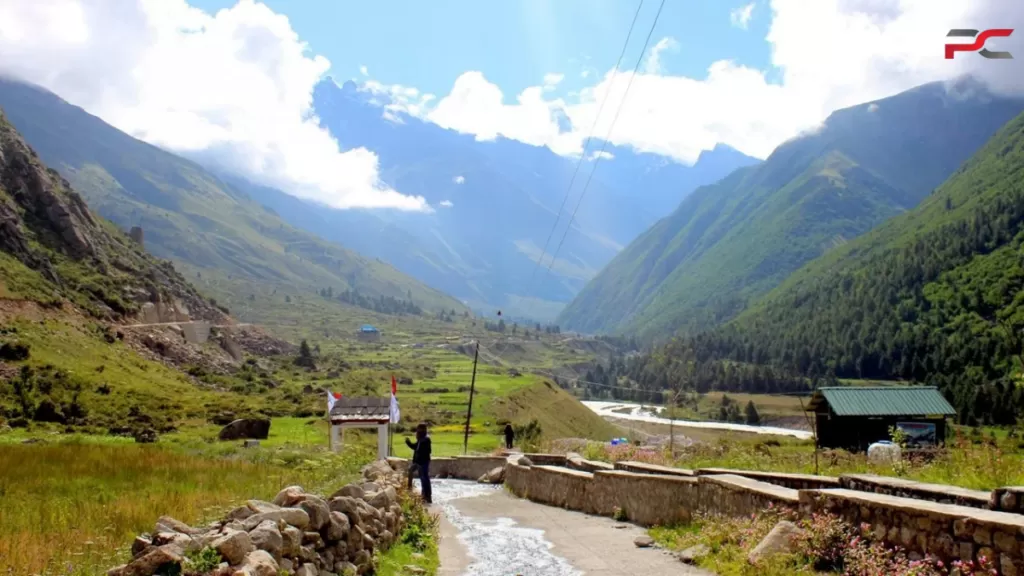
Where: Kinnaur District | Near the Indo-Tibetan Border
Why Go: The end of the road. Beyond Chitkul lies the restricted zone and Tibet. This is as remote as Himachal gets.
Chitkul sits at 3,450 meters on the banks of the Baspa River. It is the last village on the old Hindustan-Tibet trade route and remains cut off by snow for 6 months a year.
What to Do:
- Village Walk: Chitkul has about 600 residents. Walk through the village, visit the 500-year-old Mathi Temple, and interact with locals (many speak Kinnauri, but Hindi works).
- Baspa River Walk: The river is turquoise and freezing. Walk along the banks, dip your feet, and watch the water race toward Sangla.
- Photography: Every corner of Chitkul is postcard-worthy. Stone houses, prayer flags, snow peaks.
- Do Nothing: Sit on your guesthouse balcony with a book and tea. Let time slow down.
Where to Stay: Basic guesthouses. Electricity is solar-powered and limited. Expect dormitory-style rooms or simple doubles. Budget: ₹500–₹1,200/night.
How to Reach: From Shimla, drive to Sangla (230 km, 8 hours), then another 25 km to Chitkul (1 hour). Road is rough but driveable. From Chandigarh, it’s a 12-hour drive.
Best Time: May–October. The village is snowbound from November to April and inaccessible.
Crowd Level: ⭐⭐☆☆☆ (Low to Moderate)-Tourists visit Chitkul, but most are day-trippers from Sangla. Overnight, the village empties out.
Insider Tip: Stay overnight. The day-trippers leave by 5 PM, and you’ll have the village to yourself. Morning light on the peaks is magical.
6. Kalpa-Where Time Stops
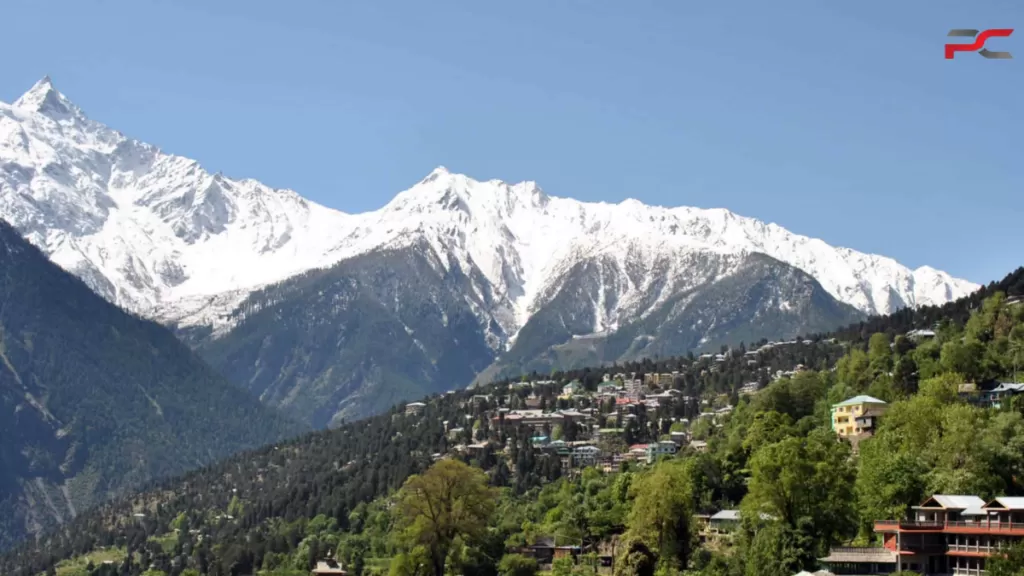
Where: Kinnaur District | Facing Kinnaur Kailash Peak
Why Go: One of the most stunning mountain views in India, with a village that feels like a Tibetan hamlet.
Kalpa sits at 2,960 meters directly opposite the Kinnaur Kailash range. From your guesthouse window, you watch the sunrise paint the 6,050-meter peaks gold.
What to Do:
- Kinnaur Kailash Views: Wake up at 5:30 AM and watch the sun hit the peak. The sheer scale of the mountain is humbling.
- Roghi Village Walk: A 3 km walk from Kalpa through apple orchards and barley fields. Roghi has ancient wooden temples and stone houses.
- Suicide Point: A cliff-edge viewpoint (yes, unfortunate name). The drop is 3,000 feet straight down to the Sutlej River.
- Monastery Visit: Kalpa has a small Buddhist monastery. You can sit in on prayer sessions.
Where to Stay: Guesthouses with mountain-facing rooms. The HPTDC Hotel Kinner Kailash offers the best views. Budget: ₹800–₹2,500/night.
How to Reach: From Shimla, drive to Kalpa (230 km, 8 hours). Road passes through Rampur, Jeori, and Reckong Peo.
Best Time: April–June and September–October.
Crowd Level: ⭐⭐☆☆☆ (Low)-Kalpa sees visitors, but it’s not overrun. Most are passing through to Spiti.
7. Bir Billing-For the Quiet Side of Adventure
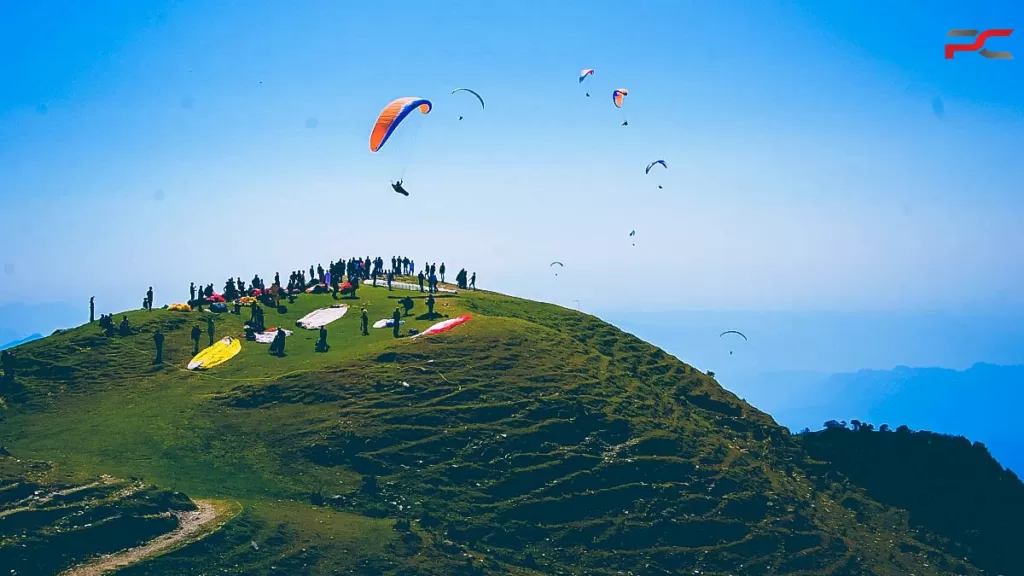
Where: Kangra District
Why Go: Yes, it’s famous for paragliding, but stay past sunset and you’ll find a peaceful Tibetan village.
Bir is a Tibetan refugee settlement with monasteries, prayer wheels, and quiet lanes. Most tourists come for a tandem paragliding flight and leave. If you stay, you discover a different Bir- one of the best adventure destinations in India.
What to Do:
- Monastery Circuit: Visit Chokling Monastery, Palpung Sherabling (a massive complex), and the Deer Park Institute. Attend morning prayers at 6 AM.
- Bir Tea Factory: Walk to the tea gardens and the small processing unit. You can buy fresh Kangra tea.
- Rajgundha Trek: A 2-day trek from Billing (the paragliding takeoff point) to Rajgundha meadow and back. Gentle, scenic, and crowd-free.
- Cafés: Bir has a small café culture. Garden Café, June 16, and Silver Linings serve excellent coffee, Tibetan momos, and wood-fired pizzas.
Where to Stay: Guesthouses in Bir Colony (the Tibetan settlement). Quieter and cheaper than Billing. Budget: ₹800–₹2,000/night.
Best Time: March–June and September–November.
Crowd Level: ⭐⭐⭐☆☆ (Moderate)-Busy on weekends due to paragliding. Visit weekdays for peace. Stay in the lower village (Bir Colony), not Billing.
8. Pangi Valley-For the Truly Adventurous
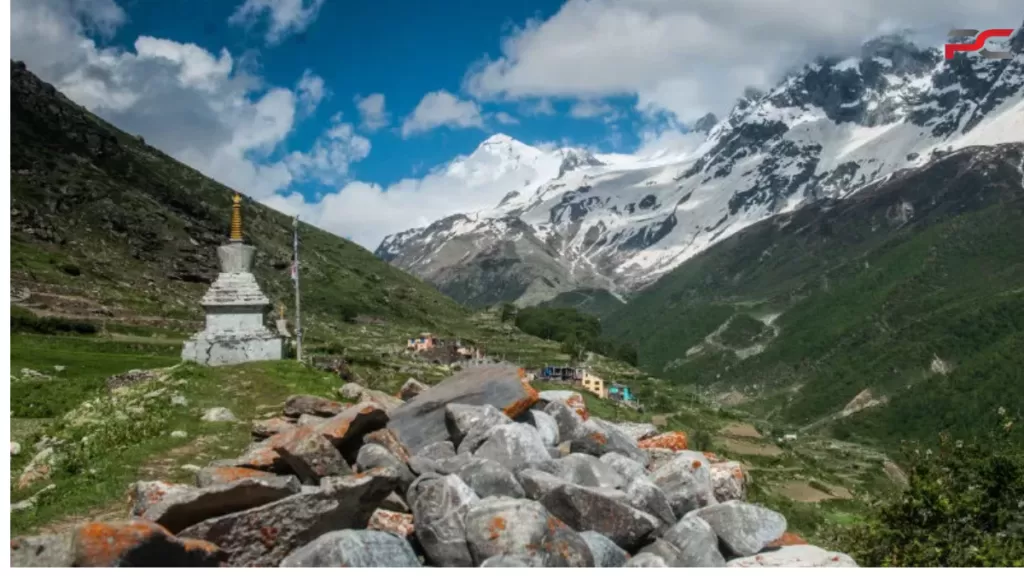
Where: Chamba District | One of India’s Most Remote Valleys
Why Go: Untouched, unspoiled, and almost untouristed. This is for those who want to go where few have gone.
Pangi Valley is accessible only 5 months a year. Snow blocks the passes from November to May. The valley sits between the Pir Panjal and Zanskar ranges and is culturally closer to Ladakh than Himachal.
What to Do:
- Sach Pass (4,390m): One of India’s highest motorable passes. The drive from Chamba to Pangi via Sach Pass is legendary-and terrifying. Only attempt in a 4×4 with an experienced driver.
- Village Homestays: Stay in Killar, the valley’s main town, or smaller villages like Hudan and Sural Bhatori. Experience life as it was 100 years ago.
- Mindhal Lake Trek: A sacred lake at 4,300 meters. The trek starts from Killar and takes 2 days round-trip.
- River Crossings: The Chenab River flows through Pangi. Watch locals cross on rope bridges.
Where to Stay: Basic homestays or government rest houses in Killar. No luxury here-just warm hospitality and dal-roti meals. Budget: ₹500–₹1,000/night.
How to Reach: From Chamba, drive 180 km (10–12 hours) via Sach Pass. The road is open June–October. Alternatively, enter from Lahaul via the Shinku La Pass.
Best Time: July–September (post-snowmelt).
Crowd Level: ⭐☆☆☆☆ (Extremely Low)-You’ll count tourists on one hand.
Warning: This is remote and challenging. Carry medicines, warm clothes, and a satellite phone if possible. Landslides are common during monsoon. If still love monsoon and a vacation on hills, check out: 8 best places in Himachal fit for monsoon holiday
9. Mashobra and Naldehra-Shimla’s Forgotten Neighbours
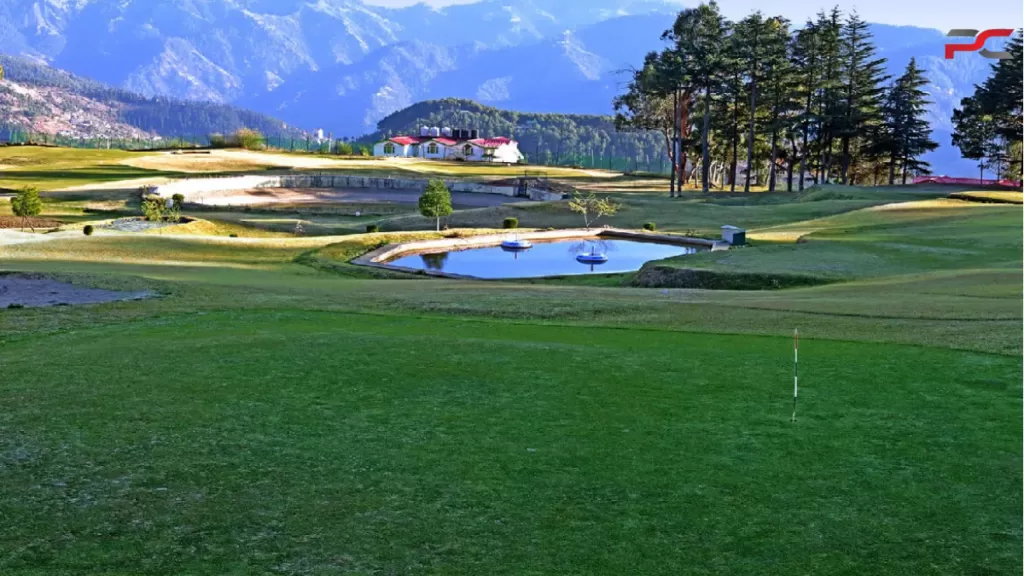
Where: Shimla District
Why Go: All the charm of Shimla, none of the crowds. Just 30 minutes away from the chaos.
Mashobra and Naldehra are hill stations that time forgot. While Shimla chokes on traffic, these twin towns remain quiet, forested, and almost eerily peaceful.
What to Do:
- Naldehra Golf Course: One of India’s oldest and most scenic 9-hole courses, designed in 1905. Even if you don’t play, walk around the greens-they’re surrounded by deodar forests.
- Craignano Nature Park: A short trek through oak and pine forests. Ideal for birdwatching.
- Mashobra Reserve Forest Walks: Guided forest walks available through the Forest Department. You’ll see barking deer, Himalayan griffons, and rare orchids.
- Tara Devi Temple: A hilltop temple with panoramic views of the Sutlej Valley.
Where to Stay: Heritage hotels and forest guesthouses. Wildflower Hall (luxury) is here, but budget travelers can find good homestays for ₹1,200–₹2,500/night.
How to Reach: From Shimla, drive 12 km to Mashobra or 22 km to Naldehra (30–45 minutes). These are two must addons on your Shimla Tour Package.
Best Time: April–June and September–November.
Crowd Level: ⭐⭐☆☆☆ (Low)-Shimla residents know about it, but tourists don’t.
10. Sangla Valley-Kinnaur’s Emerald Necklace
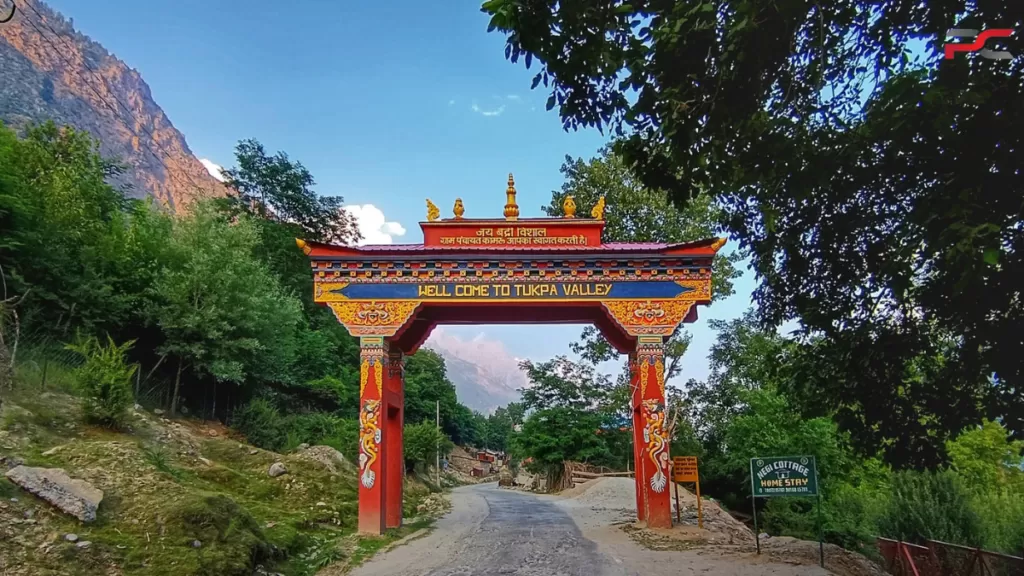
Where: Kinnaur District
Why Go: Apple orchards, wooden temples, and a river valley that rivals Switzerland.
Sangla Valley runs along the Baspa River and is lined with villages that still practice the traditional Kinnauri way of life-apple farming, weaving, and barley cultivation.
What to Do:
- Kamru Fort: A 15th-century fort-temple dedicated to Kamakhya Devi. The wooden carvings are exquisite.
- Batseri Village: Walk through terraced fields and meet local weavers. Buy Kinnauri shawls directly from artisans.
- Rakcham Trek: A beautiful meadow village 14 km from Sangla. The trek is moderate (2–3 hours) and offers views of snow peaks.
- Chitkul Day Trip: From Sangla, drive to Chitkul (25 km, 1 hour) and return the same day.
Where to Stay: Homestays and guesthouses in Sangla and Batseri. Budget: ₹800–₹2,000/night.
Best Time: April–October (valley is snowbound November–March).
Crowd Level: ⭐⭐☆☆☆ (Low)-Less crowded than Shimla/Manali but busier than Chitkul.
How to Choose Your Escape
| If You Want… | Go To… |
| Complete isolation, fishing, and forests | Barot or Tirthan Valley |
| Tibetan culture and peace | Bir (stay past sunset) |
| Mountain views that take your breath away | Kalpa |
| The end of the road, literal and metaphorical | Chitkul |
| Adventure and serious remoteness | Pangi Valley |
| Easy access but still crowd-free | Mashobra/Naldehra |
| Meadows, wildflowers, and quiet | Shoja |
| A mix of trekking and village life | Jibhi and Jalori Pass |
Practical Tips for Crowd-Free Himachal
Travel Weekdays: Even lesser-known places get busy on long weekends. Plan your trip Tuesday–Thursday for maximum peace. For a group tour, do not forget to book most comfortable Force Urbania on Rent– stylish, cost-effective and comfy way to ride.

Book Direct: Call guesthouses directly instead of booking on OTAs. You’ll often get better rates and insider tips on crowd-free trails.
Carry Cash: ATMs are rare in remote valleys. Carry enough cash for 5–7 days.
Respect Local Culture: Many of these villages are conservative. Dress modestly, ask before photographing people, and don’t litter.
Pack Smart: Layers, a rain jacket, sunscreen, and a good pair of walking shoes. Even in summer, nights can be cold at high altitude.
Go Slow: These places reward slow travel. Don’t try to “cover” three valleys in three days. Pick one, stay 4–5 days, and sink into the rhythm of mountain life. If you are planning a honeymoon trip, book a luxury car on rent with driver to enjoy the trip in right pace.
Final Thoughts
Himachal’s magic isn’t in its famous hill stations. It’s in the forgotten valleys, the unnamed meadows, the villages where electricity comes from solar panels and water from mountain springs. It’s in mornings where the only sound is the wind through pine needles and evenings where the Milky Way stretches from ridge to ridge.
You don’t need to fight crowds for mountain peace. You just need to know where to look. Not only these 10 destinations, you can plan a trip with Popular Himachal Tour Packages made with love, comfort and adventure.
Happy wandering. And please, leave no trace.
Wonderful guide! Booking a Tempo Traveller for Outstation is a smart choice for family vacations and corporate tours.