

India is famous all over the world for its grand palaces and royal heritage. There are many palaces that not only symbolize the glory of the kings and maharajas, but even today tell us the stories of history like a living museum. When you look at the streets and walls of these palaces, every stone, every window and every picture takes you to that era when these palaces used to echo the royal life. Let’s see the 5 Indian Palaces that Look Like Museums.
1. City Palace, Jaipur
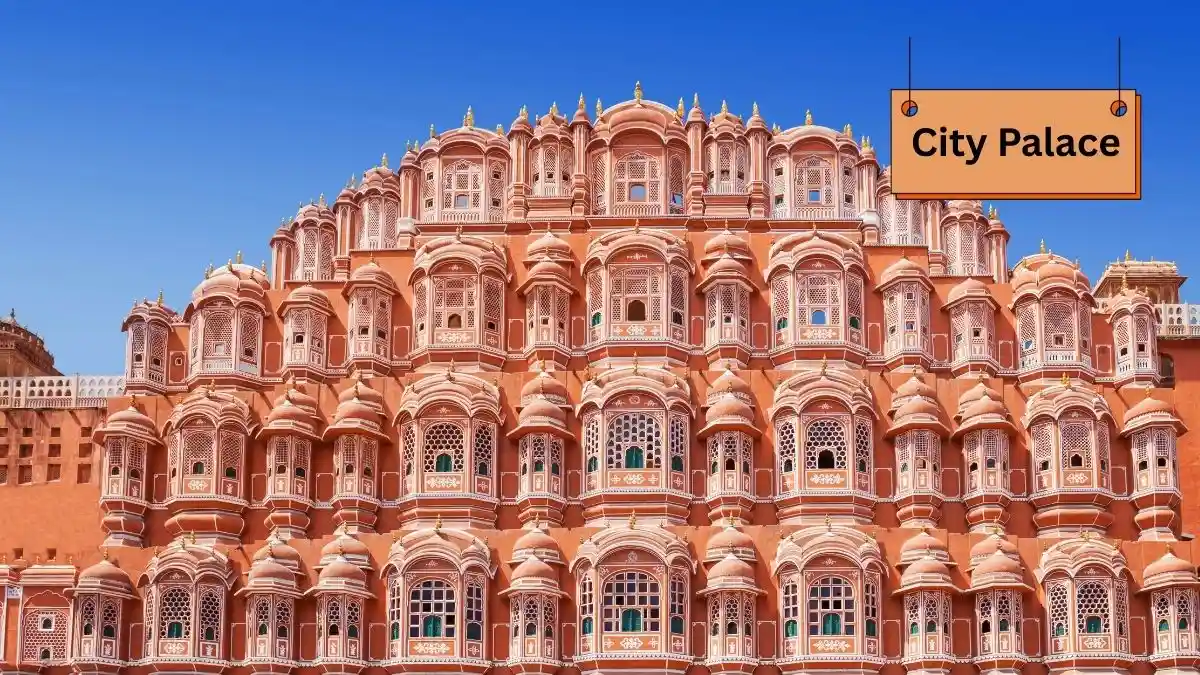
The City Palace of Jaipur is located in the heart of the Pink City. This palace was built by Maharaja Sawai Jai Singh II in the 18 century. Here you can see a unique blend of Rajput and Mughal architecture. The delicate carvings on the walls of the palace, colorful glass windows and huge courtyards make it very attractive.
Today, it is not only a palace, but also a museum where one can see a glimpse of royal life. While walking here feels as if you have entered a living museum, where every corner tells a different story.
Why is it special?
The Maharani Mahal inside the palace is now an art gallery where ancient clothes and royal jewelry are kept.
The museum section has a rare collection of weapons, including swords, spears and guns.
The turbans and royal costumes here reflect the royal traditions of Rajasthan.
Tourist experience
Walking in the City Palace, it feels like you have entered a royal era. The museum part gives an opportunity to understand the culture of Rajasthan closely.
Important Information
- Entry: ₹300 (Indians), ₹700 (Foreigners), extra cost for museum and guided tours
- Timings: 9:30 AM – 5:00 PM (every day)
- Camera: Permitted (extra cost for still/video cameras in the museum areas)
- Other Info: Guided tours and audio guides available; night visit also allowed with a special ticket
2. Lake Palace, Udaipur
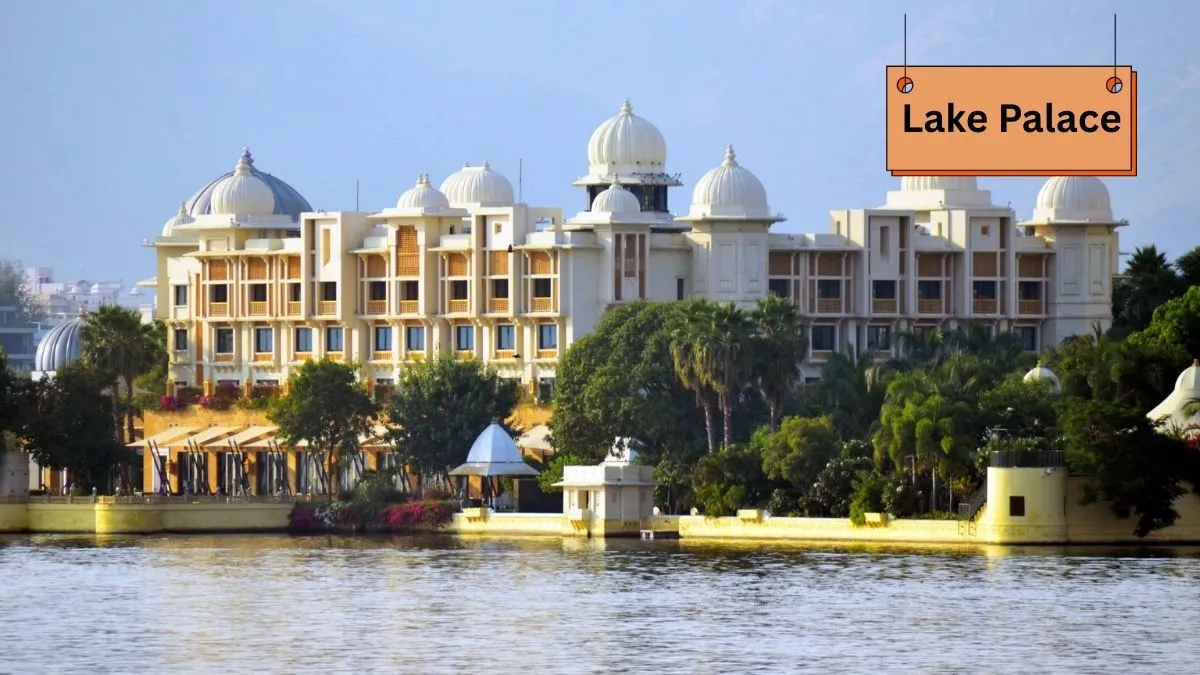
The Lake Palace of Udaipur is situated in the middle of Pichola Lake and is counted among the most romantic palaces in the world. It was built in the 18th century by Maharana Jagat Singh II. Made of white marble, this palace looks like a floating museum from a distance.
Today it has been converted into a luxury hotel, but its walls and rooms still reflect history. The huge courtyards, beautiful fountains and marble carvings make this place look like an artistic museum.
Why is it special?
The interior and paintings of the palace give tourists a museum-like experience.
Wall painting, Rajasthani paintings and carved windows are the center of attraction here.
Objects related to the life of the royal family are displayed here.
Tourist experience
When you reach this palace in the middle of the lake by boat, this view seems like a dream. This unique mix of hotel and museum makes it the most special.
Important Information
- Entry Fee: No public entry (only hotel guests), but one can take boats on Lake Pichola for an exterior view
- Timings: 24×7 open for the guests
- Camera: Permitted for the guests within the hotel; otherwise, only lake photographs from outside
- Other Info: Advance booking required for overnight stays; luxury dining and heritage walk facility available for residents
3. Mysore Palace, Karnataka
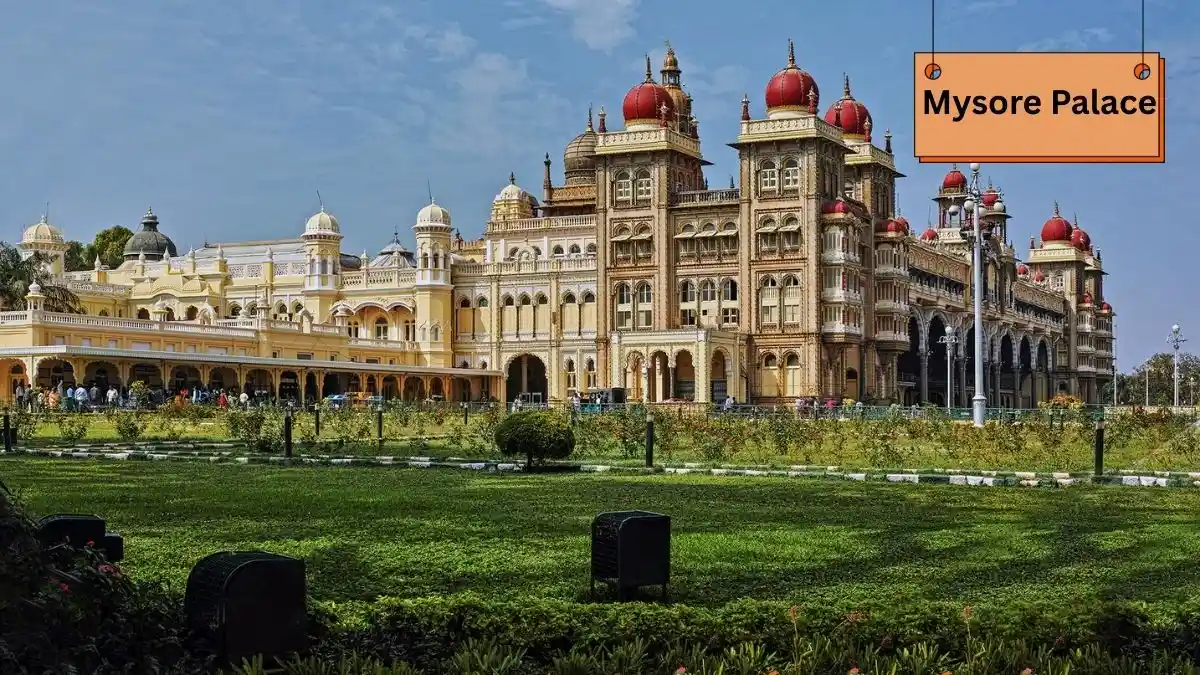
Considered the pride of South India, Mysore Palace is one of the most visited places among Indian palaces. This palace of the Wadiyar dynasty dates back to the 14th century and has been rebuilt from time to time. The grand structure outside the palace and the artistic decoration inside are no less than an art museum.
A mixture of European, Hindu and Islamic architecture is visible here. The grand paintings on the walls and ceilings of the palace and the glass ” jhoomar” are the pride of this place. During Dussehra, this palace is lit up with lights, which makes it even more attractive.
Why is it special?
The Durbar Hall inside the palace shines with golden decorations.
The museum here displays old photographs, jewelry and royal costumes of the royal family.
The special attraction is the Dussehra festival, when the entire palace is lit up with lights.
Tourist experience
After seeing the Mysore Palace, it feels as if you are standing in a living museum. It is important place in the Heritage tour of India as it grandeur and historical significance impresses every visitor.
Important Information
- Entry Fee: ₹100 (Adults), ₹50 (Children), ₹200- 300 (Foreigners)
- Timings: 10:00 AM – 5:30 PM (daily)
- Camera: Photography is not allowed inside
- Other Info: In the evening (7:00–7:45 PM) on Sundays and Dussehra, the palace is lit up with almost 1 lakh bulbs.
4. Umaid Bhawan Palace, Jodhpur
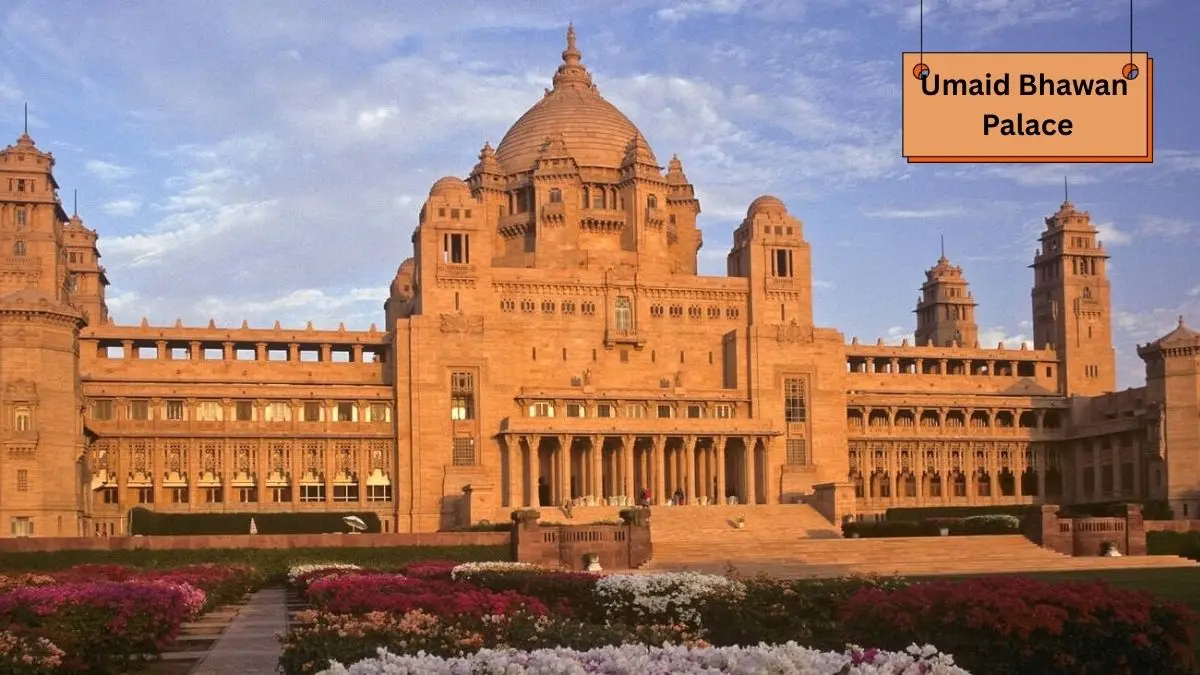
Situated in the Blue City of Jodhpur, Umaid Bhawan Palace is one of the most magnificent palaces of the 20th century. Maharaja Umaid Singh started building it in 1929. It was completed in 1943. Made of yellow sandstone, this palace is counted among the largest private residences in the world. Today, one part of it is used as the Taj Hotel, the other part as a museum and the third part as the residence of the royal family. It is one of the best place to visit in Jodhour as here you can see the royal lifestyle, a collection of vintage cars as well as amazing artifacts.
Why is it special?
A part of the palace is still the residence of the Jodhpur royal family.
The museum located here has a collection of old cars, watches and royal items.
The Art Deco style of the palace makes it even more special.
Tourist experience
This palace is a mixture of hotel, residence and museum. Especially the vintage car museum here attracts youth and tourists a lot.
Important Information
- Entry Fee: ₹30 (Indians), ₹100 (Foreigners) for museum wing
- Timings: 10:00 AM – 4:30 PM (every day, except public holidays)
- Camera: Permitted inside the museum with fees; not permitted in the residential/hotel area
- Other Info: Museum features vintage cars, clocks, and royal memorabilia; guided tours can be arranged on request
Confused about visiting Jodhpur? Let this Jodhpur Travel Guide show you all the must-see spots and hidden gems and more other travel in depth travel info.
5. Rambagh Palace, Jaipur
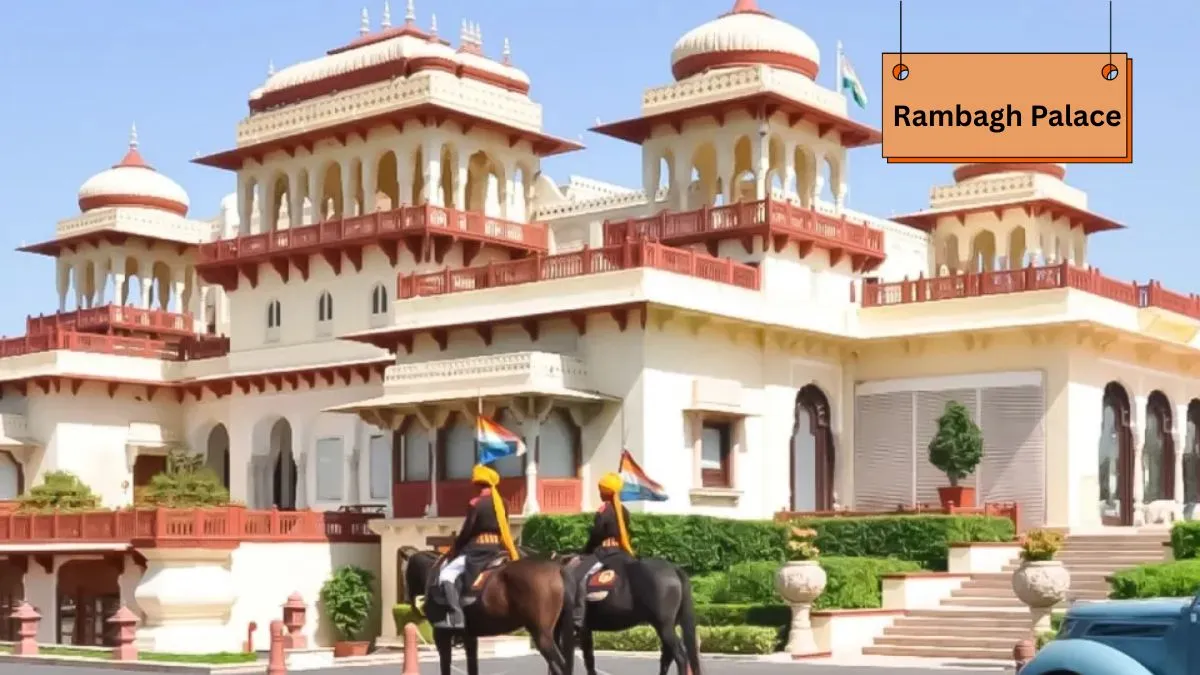
Jaipur’s Rambagh Palace was once the residence of Maharani Gayatri Devi and the Maharajas of Jaipur. It was originally built in 1835 as a garden house, which was later transformed into a palace. Today it is a luxury hotel of the Taj Group, but walking around here makes you feel as if you have returned to the royal world of the past. Its grand structure, lush gardens and royal decorations make this palace like a living museum. Experience this destination to the fullest with a Rajasthan Heritage tour package that ensures a smooth, organized trip.
Why is it special?
The royal paintings and antique furniture here bring history alive.
Looking at the garden and architecture of the palace, it seems as if you are in a living museum.
Many objects and rooms have been kept safe without modification to give you the experience of the royal lifestyle.
Tourist experience
Rambagh Palace is still the pride of Jaipur. Staying here is an experience for tourists that brings history and modernity together.
Important Information
- Entry Fee: No separate entry fee (only for hotel guests); Non-guests cannot freely explore the palace
- Timings: Open 24×7 for guests
- Camera: Permitted for guests inside; outside guests permitted to take very limited photos in public/dining areas
- Other Information: Heritage walk, fine dining, and luxury stay options available; advance reservation advisable
Conclusion
These five palaces of India are not just grand buildings but are museums of living history. These not only give you a glimpse of the art and culture of India but also tell how grand and rich the life of the royal families was.
If you are planning a trip to India then definitely include these palaces in your list. Visiting here will give you a unique experience of history, culture and luxury together